

Promo codes have become a structural part of modern gaming. They are no longer limited to marketing gimmicks or one-time giveaways. When used deliberately, promo codes influence how players enter games, progress through content, manage risk, and ultimately enjoy the experience.
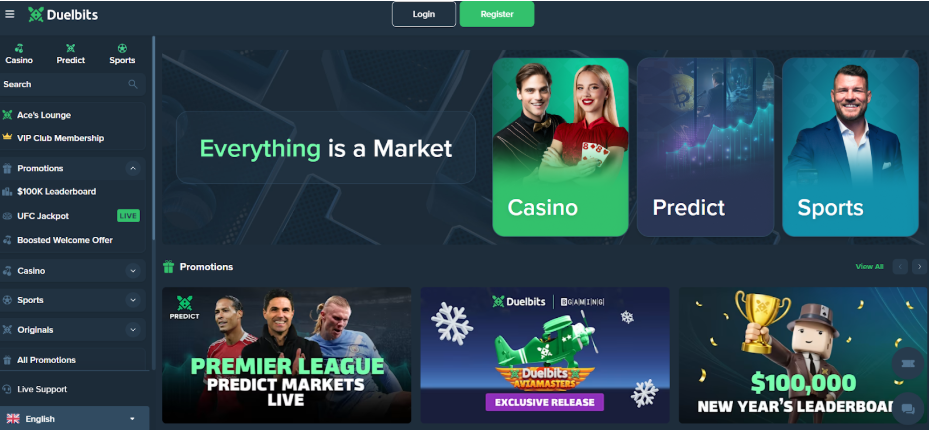
This article breaks down how gaming promo codes work, what they unlock, and how they meaningfully change the way people play.
Types of Gaming Promo Codes and What Each One Unlocks
Not all promo codes are created equal, and players usually learn this the hard way. Some bonuses genuinely change how a game feels to play. Others look good on paper and barely register once you redeem them. The difference comes down to where in the game loop the reward applies — progression, experimentation, identity, or access. Below are the main promo code Duelbits types you’ll run into, and what they actually do for your experience.
Bonus Currency and In-Game Credits
These are the most common promo codes, and for good reason. Bonus currency is easy to understand and immediately useful. Once redeemed, you get in-game money that behaves like the regular currency — sometimes fully, sometimes with restrictions. What players usually use bonus currency for
- Unlocking characters, weapons, or abilities they wouldn’t buy outright
- Entering paid modes, matches, or events without spending real money
- Retrying failed attempts when a game normally pushes you toward paying
What makes bonus currency valuable isn’t the amount — it’s the freedom it gives. When you’re playing with earned or purchased currency, every decision feels loaded. “Is this worth it?” “What if I regret it?” Bonus currency takes that pressure off. You’re far more likely to:
- try a new character instead of sticking to a safe pick,
- experiment with upgrades you’d normally skip,
- explore side systems you’ve been ignoring.
In practice, bonus currency turns hesitation into curiosity. That’s why it tends to be one of the most player-friendly promo rewards when implemented well.
Free Spins, Loot Boxes, or Reward Packs
These promo codes don’t promise a specific reward. Instead, they give you chances. Spins, boxes, packs — different names, same idea: you get to roll the dice without paying for the roll. Common traits of these rewards
- The outcome is randomized
- The number of attempts is fixed
- There’s usually a time limit or usage window
On paper, this can look worse than guaranteed rewards. In reality, it often feels better. Why? Because free attempts change how players emotionally process risk. When the cost of failure is zero, disappointment is softer. You didn’t lose anything you already had. Even a mediocre drop feels acceptable because the experience itself was free. There’s also something important happening at a behavioral level:
- opening a pack creates anticipation,
- spinning triggers curiosity,
- even low-value rewards feel “earned” through interaction.
That’s why these promo codes are great for engagement. They keep players active without nudging them toward spending, and they add texture to otherwise routine sessions.
XP Boosts and Progression Accelerators
XP-based promo codes affect how fast you move through the game, not what you own. They’re especially powerful in games where progression gates content or status. What they typically change
- You level up faster
- You unlock features, modes, or abilities sooner
- You spend less time repeating low-value tasks
This matters more than it sounds. Grinding isn’t always boring because the gameplay is bad — it’s boring because the reward feels too far away. XP boosts compress that distance. They’re particularly effective in a few situations:
- early-game stages, when everything is locked and slow,
- seasonal resets, where progress is wiped and rebuilt,
- competitive ladders, where timing matters more than perfection.
Used well, XP boosts don’t trivialize progression. They smooth it. They let players focus on learning mechanics and making decisions instead of counting repetitions.
Cosmetic Items and Exclusive Skins
Cosmetic promo codes don’t make you stronger. They make you visible. And for many players, that’s just as important. These rewards usually include:
- skins, outfits, or weapon designs,
- avatars, frames, or badges,
- event-themed or limited-time visuals.
Players value cosmetics for reasons that go beyond aesthetics. They’re about identity. A cosmetic item says something — about when you joined, what you participated in, or how you engage with the game. There’s also a social layer:
- other players can see it,
- it marks participation in specific events,
- it signals familiarity with the game’s culture.
Because cosmetics don’t affect balance, they feel fair. You can care about them deeply without feeling pressured to chase power. That’s why cosmetic promo codes often generate long-term attachment rather than short bursts of excitement.
Access-Based Rewards
Some promo codes don’t give you things. They give you permission. These rewards unlock:
- beta or early-access versions,
- premium features for a limited time,
- modes or systems normally locked behind progression or payment.
Access-based rewards often feel more valuable than currency because they expand the shape of the game. You’re not just doing more — you’re doing something different. For players, this means:
- testing features before committing,
- exploring advanced systems without long-term investment,
- feeling included rather than excluded.
Access changes perspective. Once you’ve seen what’s behind the gate, the game feels bigger and more coherent. That’s why access-based promo codes tend to leave a stronger impression than most material rewards.
How Promo Codes Change the Way You Play Games
Promo codes don’t just give you extra stuff. They quietly change how you approach a game. The decisions you make, the risks you take, even how patient you are — all of that shifts once you’re playing with a safety net. You might not notice it immediately, but the difference shows up in how you play after the code is redeemed.
They Take the Edge Off the Early Game
Early game is where a lot of players bounce. Everything is locked, resources are tight, and every mistake feels expensive. Promo codes soften that phase. A bit of bonus currency or a starter reward means:
- you’re not stuck using the weakest gear for hours,
- you can unlock something interesting right away,
- the game feels playable instead of restrictive.
That early boost doesn’t break balance — it just gets you past the “why is this so slow?” stage. Instead of grinding out basics, you’re learning systems and actually enjoying the loop. For new players, that often makes the difference between sticking around and uninstalling.
They Make You Try Things You’d Normally Avoid
Without bonuses, most players play it safe. They pick the familiar option, reuse the same loadout, and avoid mechanics that look risky or confusing. Promo codes change that math. When you’re using bonus resources:
- trying a new character feels harmless,
- testing a weird build doesn’t feel like a waste,
- entering an unfamiliar mode feels low-risk.
You’re more curious because the downside is smaller. And once curiosity kicks in, players tend to discover parts of the game they would’ve skipped entirely. That’s how promo codes quietly increase depth without forcing it.
They Lower the Fear of Messing Up
Failure feels different when it doesn’t cost you real money or hard-earned resources. Promo codes create that buffer.
Missing a shot, losing a match, opening a disappointing pack — none of it hits as hard when the attempt was free or discounted. Instead of frustration, you get feedback. You’re learning, not losing.
This matters because fear of failure is one of the biggest reasons players disengage. When mistakes feel recoverable, players keep playing. They retry. They adjust. They improve.
They Push Players Into Modes They’d Normally Skip
A lot of players avoid competitive or paid modes not because they dislike them, but because the entry cost feels unjustified. Promo codes lower that barrier. A free entry or bonus-backed attempt makes players think: “I’ll try it once.” That’s all it takes. Once inside, many realize:
- the mode isn’t as punishing as expected,
- the competition is manageable,
- the rewards justify the effort.
Promo codes don’t force participation. They invite it. And once players cross that line voluntarily, they’re far more likely to return on their own terms.
They Change Risk-Taking From Reckless to Strategic
This part is subtle but important. Promo codes don’t make players careless. They make them braver in a smart way. With bonuses active, players:
- take calculated risks instead of avoiding risk entirely,
- experiment with timing and positioning,
- test strategies they’ve only read about.
The difference is intent. Players aren’t spamming attempts mindlessly — they’re exploring. That deeper engagement is exactly what developers want, and what players often enjoy the most.
The Psychological Impact of Bonuses on Player Enjoyment
Promo codes work because they tap into how people naturally respond to games. Not in a manipulative, high-level theory way — in a very practical, moment-to-moment sense. They change how wins feel, how losses land, and how motivated you are to keep going after a session that didn’t quite work out.
You don’t need to think about psychology to feel the effect. You notice it in how often you come back and how long you stay.
Anticipation Makes the Game Feel Alive
The moment you redeem a promo code, something shifts. Even before you use the bonus, you expect something good to happen. You might not open the pack right away. You might save the boost for later. But now there’s something waiting for you inside the game. That expectation alone increases engagement. Players log in thinking:
- “I still have that bonus to use,”
- “I want to see what I get,”
- “I’ll play a bit longer so I don’t waste it.”
That sense of anticipation makes the game feel active, even between actions. Instead of jumping in and out, players plan sessions around bonuses. The game stops being something you check and starts being something you return to with intent.
Bonuses Create the Feeling of Progress, Even on Bad Days
Not every session goes well. You can play smart, stay focused, and still walk away with mediocre results. Without bonuses, those sessions feel empty — like time spent without payoff. Bonuses change that perception. Even if the match goes badly or the reward is small:
- you used a free attempt,
- you advanced a bit faster than usual,
- you unlocked something you wouldn’t have otherwise.
That small layer of gain matters more than people realize. It keeps progress feeling continuous instead of interrupted. Players don’t feel stuck in place. They feel like they’re still moving forward, just at a slower pace.
Over time, that feeling keeps people from burning out. Progress doesn’t have to be dramatic — it just has to exist.
Losses Hurt Less When They’re Not Fully “Yours”
One of the fastest ways players disengage is repeated loss that feels expensive. Losing isn’t the problem. Losing something you worked for is. Bonuses soften that blow. When an attempt is backed by a promo code:
- the loss feels temporary,
- the mistake feels educational,
- frustration doesn’t spiral as quickly.
Instead of thinking “that was a waste,” players think “okay, next time I’ll try something different.” The emotional tone changes from punishment to adjustment.
This matters especially during short losing streaks. Without a buffer, players quit. With bonuses, they stay long enough to recover — and often end sessions on a better note.
Using Promo Codes Strategically Instead of Randomly
Most players don’t waste promo codes on purpose. They waste them because the game makes bonuses feel urgent. A notification pops up, a timer starts ticking, and the instinct is to redeem immediately — even if it’s a terrible moment to do so.
The truth is simple: an active promo code is only as good as the situation you use it in. Same reward, different timing, completely different value.
Timing Matters More Than the Bonus Itself
Every game has phases. Early confusion, mid-game momentum, late-game refinement. A bonus that feels powerful in one stage can be almost useless in another. Here’s how timing usually plays out in practice:
| Game stage | What’s happening | Promo codes that actually help |
| Early game | Learning basics, unlocking systems | Bonus currency, XP boosts |
| Mid-game | Building strategies, exploring depth | Access rewards, progression accelerators |
| Late game | Optimization, identity, competition | Cosmetics, competitive bonuses |
Early game is all about momentum. You want to unlock things quickly and get past the slow introduction. Currency and XP boosts shine here because they help you reach the “real” game faster.
Mid-game is where curiosity kicks in. You’re comfortable enough to experiment, but still locked out of some features. Access-based bonuses and progression accelerators make a noticeable difference because they expand options instead of just speeding things up.
Late game is different. Progress slows naturally, and rewards become more about expression and edge. That’s where cosmetics and competitive bonuses feel meaningful — not because they push progression, but because they reinforce identity and performance.
Using a late-game bonus in the early game often feels underwhelming. Using an early-game boost in the late game usually feels pointless.
Match Bonuses to How You Actually Play
Not every promo code is meant for every player. A big reason bonuses feel “meh” is because they don’t match the way someone approaches the game. Casual players tend to get the most value from:
- free attempts,
- bonus currency,
- low-pressure rewards that don’t require optimization.
These bonuses fit shorter sessions and flexible goals. They make play feel rewarding without demanding commitment. Competitive or progression-focused players benefit more from:
- XP boosts,
- access perks,
- bonuses tied to ranked or timed content.
For them, value comes from efficiency. Anything that saves time or improves positioning in a ladder matters far more than cosmetic rewards.
If you’re playing casually and chasing XP boosts, you’ll likely feel rushed. If you’re playing competitively and redeeming free spins, the reward might feel trivial. Matching bonuses to playstyle avoids both problems.
How Developers Use Promo Codes to Shape Player Experience
From the outside, promo codes can look like free gifts or quick marketing tricks. From the inside, they’re closer to tuning knobs. Developers don’t throw them in randomly — they use them to guide how players enter, leave, and come back to a game.
When promo codes are done right, you barely notice the manipulation. You just feel like the game respects your time a bit more.
Making the First Hours Less Punishing
The first few hours are the most fragile part of any game’s lifecycle. Players are learning controls, systems, and rules all at once. If that phase feels slow or restrictive, a lot of people never make it past it. Promo codes are often designed specifically to smooth this entry point. Developers use them to:
- give new players early resources without breaking balance,
- let players unlock something interesting right away,
- reduce the feeling of being boxed in by limitations.
This isn’t about making the game easier. It’s about removing unnecessary friction while players are still deciding whether the game is worth their attention. A small early bonus often buys the game enough goodwill for players to stick around and actually learn how things work.
Bringing Back Players Who Drifted Away
Most players don’t quit games angrily. They just stop logging in. Life gets busy, another game releases, or progression slows down. Promo codes are one of the least intrusive ways to pull those players back. Instead of demanding commitment, developers offer:
- a reason to log in again,
- a sense that the player hasn’t fallen too far behind,
- a reward that softens the return.
A returning-player promo code says, “You’re welcome back,” not “You missed everything.” That tone matters. It reduces the anxiety of coming back to a game that’s moved on without you.
Supporting Launches, Updates, and New Features
Whenever something changes — a new season, mode, character, or system — there’s a risk players won’t engage with it properly. Promo codes help guide attention. Developers use bonuses to:
- encourage players to try new features,
- lower the cost of learning unfamiliar mechanics,
- increase participation during critical update windows.
Instead of forcing players into new content, promo codes nudge them. A bonus tied to a new mode makes players more willing to give it an honest try instead of ignoring it completely.
Retention Without Breaking the Economy
One of the hardest problems in live games is generosity. Give too little, and players feel squeezed. Give too much, and the economy collapses. Promo codes offer a controlled solution. Because they are:
- limited in time,
- targeted to specific player groups,
- tied to conditions or usage rules
 Kelvino Emrichester writes the kind of expert advice content that people actually send to each other. Not because it's flashy or controversial, but because it's the sort of thing where you read it and immediately think of three people who need to see it. Kelvino has a talent for identifying the questions that a lot of people have but haven't quite figured out how to articulate yet — and then answering them properly.
They covers a lot of ground: Expert Advice, Digital Advertising Strategies, Content Marketing Tips, and plenty of adjacent territory that doesn't always get treated with the same seriousness. The consistency across all of it is a certain kind of respect for the reader. Kelvino doesn't assume people are stupid, and they doesn't assume they know everything either. They writes for someone who is genuinely trying to figure something out — because that's usually who's actually reading. That assumption shapes everything from how they structures an explanation to how much background they includes before getting to the point.
Beyond the practical stuff, there's something in Kelvino's writing that reflects a real investment in the subject — not performed enthusiasm, but the kind of sustained interest that produces insight over time. They has been paying attention to expert advice long enough that they notices things a more casual observer would miss. That depth shows up in the work in ways that are hard to fake.
Kelvino Emrichester writes the kind of expert advice content that people actually send to each other. Not because it's flashy or controversial, but because it's the sort of thing where you read it and immediately think of three people who need to see it. Kelvino has a talent for identifying the questions that a lot of people have but haven't quite figured out how to articulate yet — and then answering them properly.
They covers a lot of ground: Expert Advice, Digital Advertising Strategies, Content Marketing Tips, and plenty of adjacent territory that doesn't always get treated with the same seriousness. The consistency across all of it is a certain kind of respect for the reader. Kelvino doesn't assume people are stupid, and they doesn't assume they know everything either. They writes for someone who is genuinely trying to figure something out — because that's usually who's actually reading. That assumption shapes everything from how they structures an explanation to how much background they includes before getting to the point.
Beyond the practical stuff, there's something in Kelvino's writing that reflects a real investment in the subject — not performed enthusiasm, but the kind of sustained interest that produces insight over time. They has been paying attention to expert advice long enough that they notices things a more casual observer would miss. That depth shows up in the work in ways that are hard to fake.