
You need a logo that looks real. Not amateur. Not generic.
Not like you paid $5 for it.
But hiring someone costs hundreds. Or more. And most free tools leave you staring at blank screens and weird fonts.
I’ve watched small teams waste days on this. Trying to look legit while burning cash they don’t have.
How to Create Logos for Free Flpmarkable is not another vague tutorial.
It’s the exact path I use when someone says “I can’t afford a designer but I need something that doesn’t scream ‘I made this in PowerPoint’.”
Flpmarkable works. It’s simple. It’s fast.
And it’s completely free (no) trial, no watermark, no bait-and-switch.
I’ll walk you through every click. Every choice. Every tiny decision that makes the difference between “meh” and “wow.”
No design experience needed. Just 12 minutes and your business name.
Let’s build your logo.
Before You Start: The 5-Minute Brand Discovery Checklist
I’ve seen too many people open a logo tool, click “generate,” and walk away with something that looks like it belongs on a garage sale sign.
That’s not your fault. It’s the tool’s fault (if) it doesn’t force you to think first.
A great logo starts with plan, not software. Not fonts. Not colors.
Not even your favorite animal mascot.
So before you touch this article, answer these five questions.
Who is your target audience? Young professionals? Parents?
Local contractors? Be specific. “Everyone” is not an answer. (It never is.)
What are three words that describe your brand’s personality? Bold. Trustworthy.
Playful. Not “good” or “nice.” Those don’t work.
What colors match those words? Red feels urgent. Blue feels calm.
Yellow feels loud. Don’t pick your favorite color. Pick the one that fits the feeling.
Look at 2. 3 competitors’ logos. What do you like? What makes you cringe?
Write it down. Seriously.
This isn’t busywork. It’s the difference between a logo that works and one that just fills space.
The Flpmarkable tool is fast. It’s free. But it won’t fix bad plan.
How to Create Logos for Free Flpmarkable fails when you skip this step.
I’ve watched people spend 20 minutes tweaking fonts, then realize their logo screams “funeral home” to their yoga studio audience.
Stop there. Do the checklist first.
Then open the tool.
You’ll thank yourself later.
How to Make a Logo That Doesn’t Suck: Flpmarkable Edition
I opened Flpmarkable last Tuesday.
It took me 87 seconds to make something I’d actually use.
You’re here because you want to skip the designer, the delay, and the $300 invoice. Good. Let’s go.
Step 1: Get in the Door
Go to flpmarkable.com.
Click “Logo Maker” (not) “Pricing”, not “Blog”, Logo Maker.
That button is bright blue. It’s hard to miss (unless you’re on a tablet and squinting).
Click it. You land on a blank canvas. No sign-up. No pop-up asking for your firstborn. Just you and a clean slate.
Step 2: Pick Your Starting Point
You get two choices: templates or blank.
Templates are fine if you run a bakery or a gym.
But if you sell handmade drone parts? Skip them. Start blank.
Simplicity wins every time.
(Which is why Why should logos be simple flpmarkable exists (read) it after this.)
Step 3: Add an Icon That Means Something
Search “lightning” or “anchor” or “leaf”. Not “cool” or “modern”. Those don’t exist in the library.
Drag one onto the canvas. Resize it. Rotate it. Try flipping it horizontally. Sometimes that’s the fix.
If your business is about speed, don’t pick a turtle. Obvious? Yes. Still happens.
When designing your logo, remember that simplicity often leads to greater recognition, which is why you should consider Why Should Logos Be Simple Flpmarkable.
Step 4: Type Your Name. Then Stop Typing
Add your business name. Not your full legal entity. Just the name people say out loud.
Pick one font for that. Then pick another for your tagline (but) only if you have one.
No more than two fonts. Ever.
Adjust letter spacing by eye, not by number. Zoom out. Does it feel balanced? If not, nudge it.
Step 5: Colors Are Not Decoration
You already picked brand colors. Right? If not, stop. Go do that now.
Use the color picker. Click the swatch. Paste your hex code. Save it as “Primary” so you don’t forget.
Don’t add a third color just because it’s there. Three colors is where clarity goes to die.
Step 6: Download. Then Breathe
Click “Download”.
Choose PNG with transparent background. That’s your go-to.
SVG if you need to scale it without blur. JPG only if you’re emailing it to your grandma.
Done.
You now know How to Create Logos for Free Flpmarkable.
Pro tip: Export at 2x size. You’ll thank yourself when it’s on a billboard (or even just a LinkedIn banner).
Logos aren’t art projects. They’re signals. Make yours say what you mean.
Then stop.
Free Logos Don’t Have to Look Cheap
I’ve seen hundreds of logos made in Flpmarkable. Most look like they were slapped together during a coffee break.
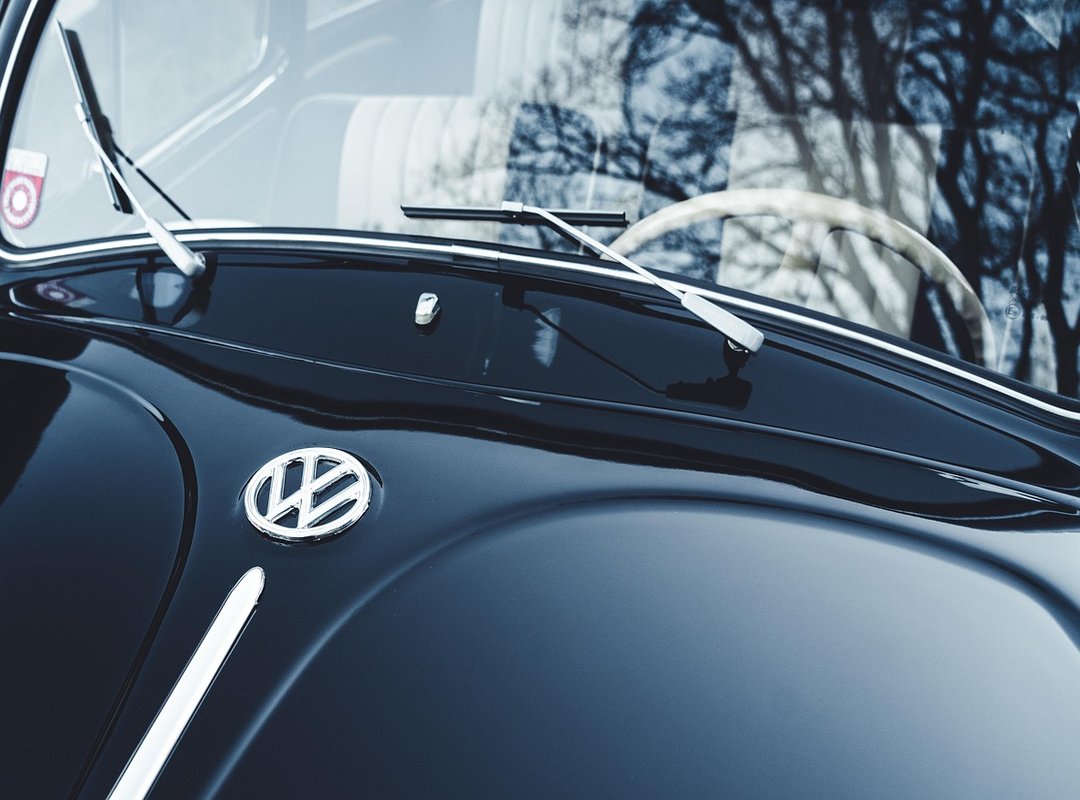
The ones that stick? They’re simple. Nike.
Apple. FedEx. Not one of them uses more than two colors or two fonts.
Not one tries to cram in an icon, a tagline, and a mascot.
You’re not designing a poster. You’re designing a mark. A signal.
A thing people recognize at a glance (or) from across a parking lot.
So cut the clutter. Right now.
Zoom in. Zoom out. Do it in Flpmarkable before you call it done.
Does the icon drag the text down? Does the wordmark feel heavier than the symbol? That’s visual weight.
If your logo vanishes when shrunk to 16×16 pixels, it fails. If it looks blurry on a banner, it fails. Scalability isn’t optional. It’s the first test.
Adjust spacing. Resize one element. Try moving things around until it feels even.
Not perfect, just balanced.
Negative space is the air between things. It’s the silence in a song. It’s what keeps your logo from feeling suffocated.
If you can’t breathe around every element, neither can your viewer.
Print it. Or better. Convert it to black and white.
If it falls apart without color, it wasn’t strong to begin with. Color is decoration. Shape and contrast are structure.
You don’t need paid tools to get this right. You just need discipline.
And if you’re ready to save that final version? Here’s how to actually get it out of Flpmarkable: How to Download Logo for Free Flpmarkable
That link? It’s not magic. It’s just the only way to grab your file without watermarks or upsells.
How to Create Logos for Free Flpmarkable starts here (but) it ends with execution.
Not inspiration. Not theory. Just hitting export.
Your Logo Starts Now
I’ve seen too many people stall here. They want a real logo. They don’t want to pay.
They think those two things can’t coexist.
They’re wrong.
You just learned how to make one. No design degree, no budget, no waiting. How to Create Logos for Free Flpmarkable isn’t a loophole. It’s your toolkit.
That “I’ll do it later” excuse? It’s costing you credibility. Every day without a logo is a day customers skip past you.
You already know the principles. You already have the tool. What’s stopping you from opening Flpmarkable right now?
Do it in 30 minutes. Use the steps in this guide. Launch your brand.
Not someday. Today.
To get started on your logo design journey, check out our guide on How to Download Logo for Free Flpmarkable.
Go.
 Nicole Kennedyelar has opinions about expert advice. Informed ones, backed by real experience — but opinions nonetheless, and they doesn't try to disguise them as neutral observation. They thinks a lot of what gets written about Expert Advice, Digital Advertising Strategies, Marketing Trends and Insights is either too cautious to be useful or too confident to be credible, and they's work tends to sit deliberately in the space between those two failure modes.
Reading Nicole's pieces, you get the sense of someone who has thought about this stuff seriously and arrived at actual conclusions — not just collected a range of perspectives and declined to pick one. That can be uncomfortable when they lands on something you disagree with. It's also why the writing is worth engaging with. Nicole isn't interested in telling people what they want to hear. They is interested in telling them what they actually thinks, with enough reasoning behind it that you can push back if you want to. That kind of intellectual honesty is rarer than it should be.
What Nicole is best at is the moment when a familiar topic reveals something unexpected — when the conventional wisdom turns out to be slightly off, or when a small shift in framing changes everything. They finds those moments consistently, which is why they's work tends to generate real discussion rather than just passive agreement.
Nicole Kennedyelar has opinions about expert advice. Informed ones, backed by real experience — but opinions nonetheless, and they doesn't try to disguise them as neutral observation. They thinks a lot of what gets written about Expert Advice, Digital Advertising Strategies, Marketing Trends and Insights is either too cautious to be useful or too confident to be credible, and they's work tends to sit deliberately in the space between those two failure modes.
Reading Nicole's pieces, you get the sense of someone who has thought about this stuff seriously and arrived at actual conclusions — not just collected a range of perspectives and declined to pick one. That can be uncomfortable when they lands on something you disagree with. It's also why the writing is worth engaging with. Nicole isn't interested in telling people what they want to hear. They is interested in telling them what they actually thinks, with enough reasoning behind it that you can push back if you want to. That kind of intellectual honesty is rarer than it should be.
What Nicole is best at is the moment when a familiar topic reveals something unexpected — when the conventional wisdom turns out to be slightly off, or when a small shift in framing changes everything. They finds those moments consistently, which is why they's work tends to generate real discussion rather than just passive agreement.