

Yamaha’s role in MotoGP is a big deal. I mean, they’ve been around for ages. They’ve seen the highs and lows of the sport.
But why should you care? Well, escuderia yamaha – motogp has a history that’s both fascinating and influential. It’s not just about the bikes; it’s about the legacy.
I’ll break down their past, present, and future. You’ll see how they’ve shaped the sport and where they’re headed. Trust me, it’s worth knowing.
The info here is based on solid, up-to-date sources. So, let’s dive in.
History of Yamaha in MotoGP
Yamaha’s journey in MotoGP is a story I find pretty fascinating. They entered the scene back in 1961, and it was clear from the start that they were here to make a mark.
One of the key milestones was when they won their first 500cc World Championship in 1975 with Giacomo Agostini. That was a big deal. It showed they could compete at the highest level.
Fast forward to the 2000s, and you see Valentino Rossi joining the team. His arrival was a game-changer. He brought not just talent but a whole new energy to the escuderia yamaha – motogp.
Championships and titles? Oh, they’ve got plenty. Yamaha has racked up multiple MotoGP World Championships, including several with Rossi and later with Jorge Lorenzo.
These victories solidified their status as one of the top teams in the sport.
Their consistency and innovation have always impressed me. Even in tough seasons, they manage to bounce back. That resilience is something I really admire.
Yamaha’s Current Team and Riders
Let’s dive into the current setup of escuderia yamaha – motogp. The team is a well-oiled machine, with each member playing a crucial role.
The team manager, for instance, is the glue that holds everything together. “It’s all about communication and strategy,” he told me once. “We need to be on the same page, every single day.”
Then there are the engineers and mechanics. These folks are the unsung heroes. They work tirelessly behind the scenes, making sure the bikes are in top condition.
One mechanic said, “Every bolt, every setting, it all matters. We can’t afford any mistakes.”
Now, let’s talk about the riders. These guys are the face of the team, and they bring their own unique flair to the track.
First up, we have Fabio Quartararo. He’s been a standout since he joined the team. “I love the challenge,” he said after a recent race.
“Every time I get on the bike, I push myself to the limit.” His aggressive riding style and consistent performance have made him a fan favorite.
Next, there’s Franco Morbidelli. He’s known for his calm and calculated approach. “It’s all about finding the right balance,” he explained.
“You can’t just go out there and be reckless. You need to be smart and strategic.”
Their recent performance has been a bit of a mixed bag. There have been some highs, like when Fabio took the checkered flag at the Spanish Grand Prix. But there have also been lows, like the technical issues that plagued them at the Italian GP.
Overall, the team is working hard to iron out the kinks and stay competitive. It’s a tough sport, but they’re up for the challenge.
Yamaha’s Motorcycle Technology in MotoGP
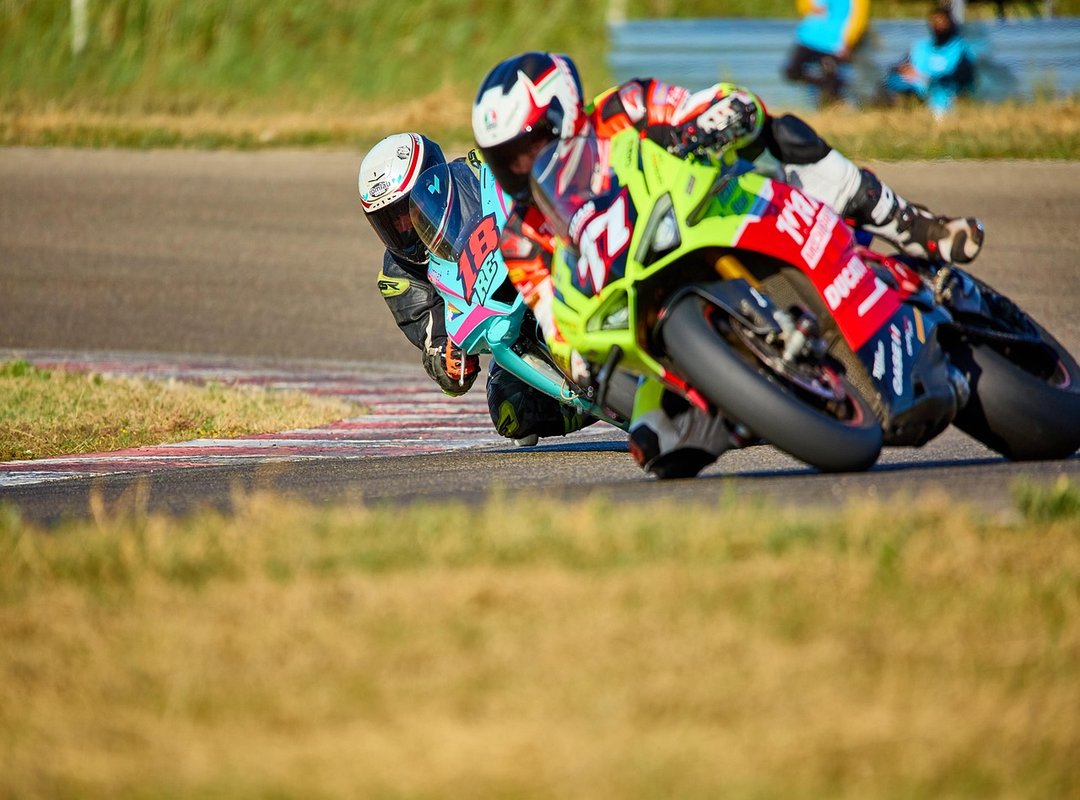
I remember the first time I saw a Yamaha race in MotoGP. The sound, the speed—it was like nothing else. You could feel the power even from the stands.
Yamaha has always been at the forefront of motorcycle technology. They push boundaries and innovate constantly. It’s part of their DNA.
Innovations:
Yamaha’s latest innovations in MotoGP are all about squeezing every last bit of performance out of the bike. They’ve been working on advanced aerodynamics, which reduce drag and increase stability. This means the bike can take corners faster and more confidently.
The engine is another area where they’ve made huge strides. They’ve developed a new combustion chamber design that improves fuel efficiency and power output. It’s like giving the bike a supercharged heart.
Bike Specifications: escuderia yamaha – motogp
Let’s dive into the specs of the current Yamaha MotoGP bike. The engine is a 4-stroke, 4-cylinder, DOHC, 4-valve per cylinder, 90-degree V4. It’s a beast, producing over 800 horsepower.
The chassis is made of carbon fiber, making it incredibly lightweight and strong.
Electronics play a crucial role too. The bike features a sophisticated traction control system, launch control, and a quick shifter. These systems work together to give the rider precise control and maximum performance.
Performance Analysis:
All these technologies contribute to the bike’s performance on the track. The advanced aerodynamics mean the bike can maintain higher speeds through corners. The improved engine gives it the power to accelerate out of those corners with lightning speed.
The electronics ensure the rider can manage all that power smoothly. It’s like having a co-pilot that helps you make split-second decisions.
ESCUDERIA YAMAHA – MOTOGP has been a force to be reckoned with, thanks to these advancements. Their bikes are not just fast; they’re also reliable and consistent. That’s what wins championships.
So, if you’re a fan of MotoGP or just love motorcycles, keep an eye on Yamaha. They’re setting the bar high and pushing the limits of what’s possible.
Yamaha’s Rivalries and Competitors in MotoGP
When it comes to MotoGP, Yamaha has always been a force to be reckoned with. But they’ve got some serious competition.
Honda, for one, has been a thorn in their side for years. The battles between these two are legendary. Ducati is another big name that’s given Yamaha a run for their money.
Their raw power often makes them a tough opponent on the track.
Historical rivalries? Oh, there are plenty. One of the most memorable was the 2015 season when Valentino Rossi and Jorge Lorenzo were neck and neck.
That rivalry wasn’t just about the riders; it was a clash of the titans between Yamaha and the other teams.
Fast forward to today, and the competitive landscape is as fierce as ever. escuderia yamaha – motogp has had its ups and downs. Some seasons, they dominate. Other times, they struggle to keep up.
Right now, they’re facing a mix of old and new challenges. Teams like Suzuki and Aprilia have stepped up their game, making the competition even more intense.
In my opinion, Yamaha needs to stay innovative and adapt quickly. They can’t afford to rest on their laurels. The sport is evolving, and so must they.
Future Prospects and Developments for Yamaha in MotoGP
Yamaha’s got some big plans ahead in MotoGP. Let’s break it down.
Upcoming Changes:
- They’re working on improving the bike’s performance.
- There’s talk of new tech to boost speed and reliability.
- The team is also looking at strategic changes in their race tactics.
Long-Term Strategy:
Yamaha’s long-term strategy is all about consistency and innovation. They want to be a top contender year after year. That means investing in R&D and building a strong, reliable team.
Emerging Talent:
Yamaha is always on the lookout for fresh talent. They’ve got a few young riders in their development program. These riders are getting the chance to prove themselves in lower classes before moving up to MotoGP.
The escuderia yamaha – motogp team is serious about nurturing the next generation of champions. It’s a smart move, ensuring they have a steady pipeline of skilled riders ready to step up.
The Impact of Yamaha in MotoGP
Yamaha has been a pivotal force in the MotoGP world, with a rich history dating back several decades. Their innovative approach to motorcycle engineering has set numerous benchmarks in the sport. escuderia yamaha – motogp continues to be a formidable competitor, consistently pushing the boundaries of performance and technology. Today, the team faces new challenges but remains committed to excellence.
Fans and enthusiasts are encouraged to follow their journey closely, as each race brings new excitement and developments.
 Nicole Kennedyelar has opinions about expert advice. Informed ones, backed by real experience — but opinions nonetheless, and they doesn't try to disguise them as neutral observation. They thinks a lot of what gets written about Expert Advice, Digital Advertising Strategies, Marketing Trends and Insights is either too cautious to be useful or too confident to be credible, and they's work tends to sit deliberately in the space between those two failure modes.
Reading Nicole's pieces, you get the sense of someone who has thought about this stuff seriously and arrived at actual conclusions — not just collected a range of perspectives and declined to pick one. That can be uncomfortable when they lands on something you disagree with. It's also why the writing is worth engaging with. Nicole isn't interested in telling people what they want to hear. They is interested in telling them what they actually thinks, with enough reasoning behind it that you can push back if you want to. That kind of intellectual honesty is rarer than it should be.
What Nicole is best at is the moment when a familiar topic reveals something unexpected — when the conventional wisdom turns out to be slightly off, or when a small shift in framing changes everything. They finds those moments consistently, which is why they's work tends to generate real discussion rather than just passive agreement.
Nicole Kennedyelar has opinions about expert advice. Informed ones, backed by real experience — but opinions nonetheless, and they doesn't try to disguise them as neutral observation. They thinks a lot of what gets written about Expert Advice, Digital Advertising Strategies, Marketing Trends and Insights is either too cautious to be useful or too confident to be credible, and they's work tends to sit deliberately in the space between those two failure modes.
Reading Nicole's pieces, you get the sense of someone who has thought about this stuff seriously and arrived at actual conclusions — not just collected a range of perspectives and declined to pick one. That can be uncomfortable when they lands on something you disagree with. It's also why the writing is worth engaging with. Nicole isn't interested in telling people what they want to hear. They is interested in telling them what they actually thinks, with enough reasoning behind it that you can push back if you want to. That kind of intellectual honesty is rarer than it should be.
What Nicole is best at is the moment when a familiar topic reveals something unexpected — when the conventional wisdom turns out to be slightly off, or when a small shift in framing changes everything. They finds those moments consistently, which is why they's work tends to generate real discussion rather than just passive agreement.