

You want to know how to convert 7500 pesos mexicanos a pesos chilenos. I get it. Exchange rates can be confusing and they change all the time, making it hard to know if you’re getting a good deal.
This guide will break it down for you.
I’ll explain the current value and show you how to do the conversion yourself. You’ll also learn where to find the best rates and what causes those rates to fluctuate. By the end, you’ll be able to convert MXN to CLP with confidence and avoid common fees and poor rates.
Trust me, I’ve been there and done that.
What is 7500 MXN Worth in CLP Today?
As of October 12, 2023, 1 Mexican Peso (MXN) equals approximately 4.85 Chilean Pesos (CLP). Therefore, 7500 MXN x 4.85 = 36,375 CLP.
It’s important to understand the difference between the mid-market rate and the tourist rate. The mid-market rate is what you see on Google or other financial platforms. It’s the midpoint between the buy and sell rates on the global currency markets.
The tourist rate, on the other hand, is what you get from a bank or exchange service. This rate includes a commission, so it’s usually less favorable.
Here’s a simple table showing conversions for common amounts:
| MXN | CLP |
|---|---|
| 1000 | 4850 |
| 5000 | 24250 |
| 7500 | 36375 |
| 10000 | 48500 |
This table can help you quickly see how different amounts convert.
Remember, this rate is a snapshot in time and will change. Understanding these changes and how they affect your money is crucial. The following sections will help you navigate these changes and make the most of your 7500 pesos mexicanos a pesos chilenos.
The Best Ways to Exchange Your Currency
When it comes to exchanging currency, you’ve got a few options. Each has its pros and cons, so let’s break them down.
Banks are secure and reliable, and that’s a big plus. But they often have higher fees and less favorable exchange rates compared to other options.
So, if you’re in a pinch and need quick, safe service, a bank is your go-to. Just be ready for the extra cost.
Online money transfer services like Wise or Remitly are great. They typically offer rates closer to the mid-market rate and have lower fees. The catch?
You need to set up an account, and it’s not instant cash. If you can plan ahead, this is a solid choice.
Airport currency exchange kiosks are super convenient for last-minute needs. But here’s the deal: almost always, they have the worst exchange rates and highest fees. I’d say avoid them if you can.
It’s just not worth the hit to your wallet.
Local exchange houses, or Casas de Cambio, especially in places like Mexico or Chile, can be competitive. Rates vary widely, so it’s important to compare. For example, if you’re looking to convert 7500 pesos mexicanos a pesos chilenos, you might find better deals away from tourist hotspots. 7500 pesos mexicanos a pesos chilenos
Just do your homework first.
So, what’s the best method, and for large transfers, use an online service. For small amounts of cash upon arrival, use a bank ATM.
It’s all about balancing convenience with cost.
Why the MXN to CLP Exchange Rate Fluctuates
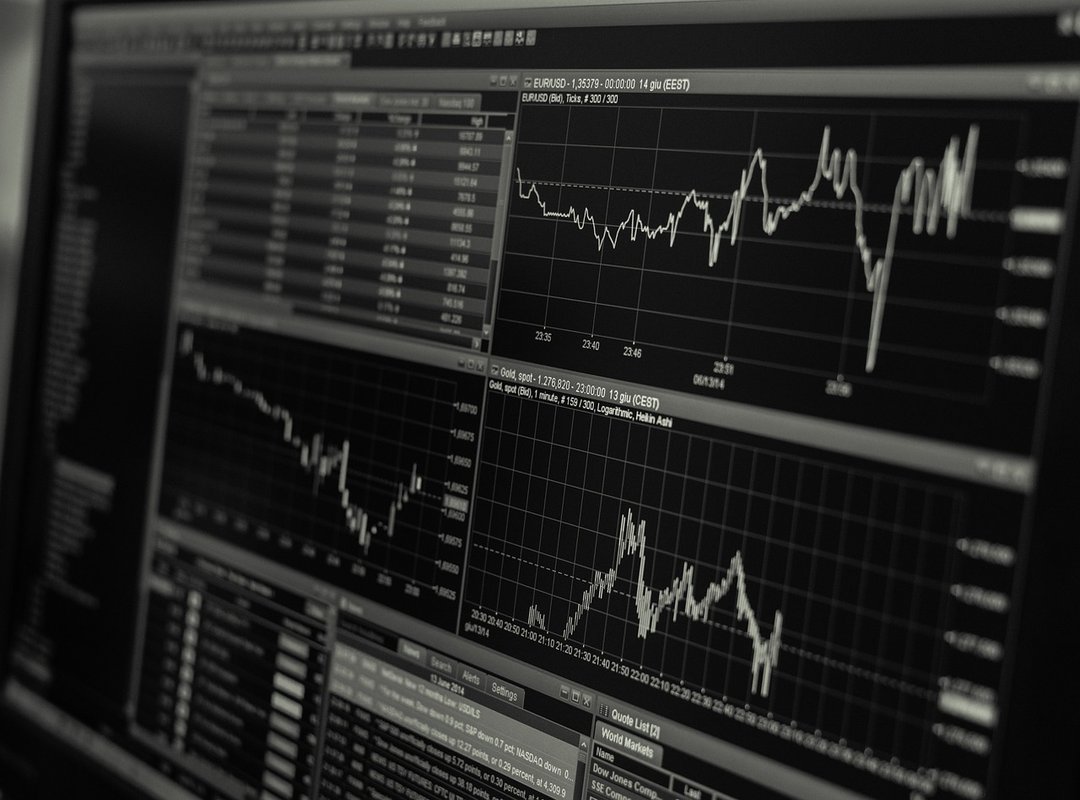
Currency values aren’t set in stone. They move up and down based on supply and demand. Simple, right?
Think about it this way: if Mexico’s economy is doing well—low unemployment, high GDP growth—the Mexican peso (MXN) tends to get stronger against the Chilean peso (CLP). It’s like a healthy body; it just performs better.
Interest rates play a big role too. When a country’s central bank raises interest rates, it can attract more foreign investment. More people want to buy that currency, so its value goes up.
It’s like a hot new restaurant; everyone wants to be there.
Commodity prices are another key factor. Mexico’s economy is tied to oil, while Chile’s is all about copper. If oil prices soar, the MXN might strengthen.
If copper prices drop, the CLP could weaken. It’s a bit like how the weather affects your mood; it has a real impact.
Political stability and inflation also matter. Investors get nervous when there’s political unrest or high inflation. They might pull their money out, causing the currency to drop.
It’s like when you hear a loud noise at night; you get jumpy and cautious.
So, when you see 7500 pesos mexicanos a pesos chilenos, remember it’s not just a number. It’s a reflection of all these factors working together. Understanding these basics can help you make smarter decisions.
Frequently Asked Questions About Converting Pesos
Is it better to exchange money before I travel or when I arrive? Exchanging a small amount beforehand for immediate needs and then using ATMs or local exchanges upon arrival is often the best strategy. This approach ensures you have cash for taxis, tips, or emergencies right away.
Do banks charge hidden fees for currency conversion? Fees can be baked into the exchange rate itself. It’s crucial to look at the final amount you will receive, not just the advertised rate.
When is the best time to exchange currency? While it’s impossible to perfectly time the market, avoiding exchanges on weekends (when markets are closed and rates are worse) is a good rule of thumb.
7500 pesos mexicanos a pesos chilenos can vary significantly based on the current exchange rate. Always check the latest rates and any associated fees before making a transaction.
 Kelvino Emrichester writes the kind of expert advice content that people actually send to each other. Not because it's flashy or controversial, but because it's the sort of thing where you read it and immediately think of three people who need to see it. Kelvino has a talent for identifying the questions that a lot of people have but haven't quite figured out how to articulate yet — and then answering them properly.
They covers a lot of ground: Expert Advice, Digital Advertising Strategies, Content Marketing Tips, and plenty of adjacent territory that doesn't always get treated with the same seriousness. The consistency across all of it is a certain kind of respect for the reader. Kelvino doesn't assume people are stupid, and they doesn't assume they know everything either. They writes for someone who is genuinely trying to figure something out — because that's usually who's actually reading. That assumption shapes everything from how they structures an explanation to how much background they includes before getting to the point.
Beyond the practical stuff, there's something in Kelvino's writing that reflects a real investment in the subject — not performed enthusiasm, but the kind of sustained interest that produces insight over time. They has been paying attention to expert advice long enough that they notices things a more casual observer would miss. That depth shows up in the work in ways that are hard to fake.
Kelvino Emrichester writes the kind of expert advice content that people actually send to each other. Not because it's flashy or controversial, but because it's the sort of thing where you read it and immediately think of three people who need to see it. Kelvino has a talent for identifying the questions that a lot of people have but haven't quite figured out how to articulate yet — and then answering them properly.
They covers a lot of ground: Expert Advice, Digital Advertising Strategies, Content Marketing Tips, and plenty of adjacent territory that doesn't always get treated with the same seriousness. The consistency across all of it is a certain kind of respect for the reader. Kelvino doesn't assume people are stupid, and they doesn't assume they know everything either. They writes for someone who is genuinely trying to figure something out — because that's usually who's actually reading. That assumption shapes everything from how they structures an explanation to how much background they includes before getting to the point.
Beyond the practical stuff, there's something in Kelvino's writing that reflects a real investment in the subject — not performed enthusiasm, but the kind of sustained interest that produces insight over time. They has been paying attention to expert advice long enough that they notices things a more casual observer would miss. That depth shows up in the work in ways that are hard to fake.