
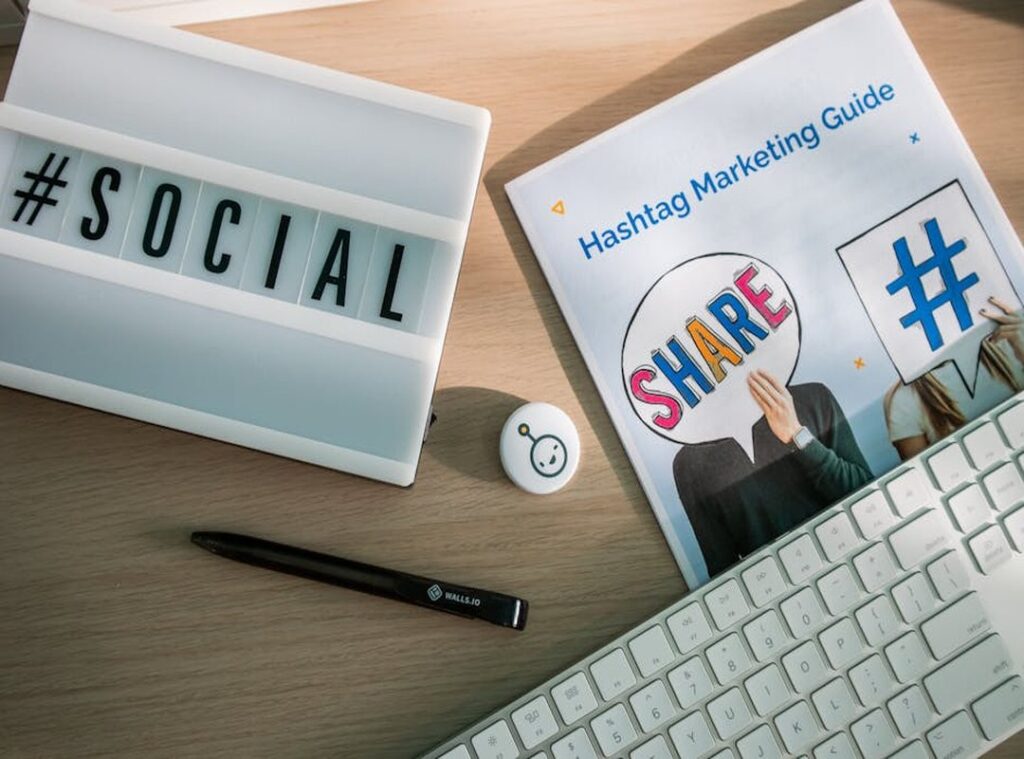
I used to scroll and second-guess every post I made.
You too?
Social media feels like walking into a party where no one told you the rules.
And nobody hands you a map.
This guide cuts through that noise. It’s not theory. It’s what works (right) now (for) real people who just want to show up online without stress or confusion.
The Excnsocial Social Guide by Eyexcon gives you clear steps, not vague advice. No jargon. No fluff.
Just what you need to post with confidence and protect your time and energy.
You don’t need to be an expert to use these platforms well.
You just need to know where the levers are (and) when not to pull them.
I’ve watched how algorithms shift, how privacy settings hide in plain sight, and how quickly tone gets misread. That’s why this isn’t about chasing followers. It’s about using social media on your terms.
You’ll learn how to read a platform’s design (not) just its features (so) you can make smarter choices fast. No more guessing if your message landed. No more worrying if you said the wrong thing.
This guide helps you feel steady. Not perfect. Just sure.
You’ll walk away knowing exactly what to do next (and) why it matters.
What Even Is Social Media?
It’s where you talk to people. Share stuff. Find things.
Not magic. Just websites and apps built for that.
I use it to text my sister. Watch weird cat videos. See what my old college roommate is up to.
You probably do the same thing. Just with different people or topics.
Some places are for photos. Others are for long videos. Some are just chat boxes.
They all do different jobs. None of them are perfect.
People say social media is bad. Or good. Or addictive.
But it’s just a tool. Like a phone or a mailbox. What matters is how you use it.
Used right? You learn stuff. You laugh.
You feel less alone. Used wrong? It eats time.
It stirs up stress. You scroll without meaning to.
The Excnsocial Social Guide by Eyexcon helps you spot the difference. Excnsocial isn’t about rules. It’s about choices.
Why are you opening that app right now?
What do you actually want from it today?
Most platforms don’t ask that question.
You should.
Who Are You Online?
I don’t know who you are online.
And that’s okay.
An online persona is just how you show up on social media. It’s your profile picture. Your bio.
The posts you like, share, or ignore.
You get to decide what stays and what goes. I delete half the things I write before posting. (Mostly rants about bad coffee.)
Authenticity matters (but) so does common sense. Would you say it to your boss? Your grandma?
Your future self?
Use the same photo everywhere.
Write a bio that sounds like you (not) a robot applying for a job.
Post stuff that reflects what you care about. Not what you think will go viral. People notice consistency.
They notice gaps too.
Your online persona isn’t fake. It’s edited. Like a photo with the brightness turned up (not) one with your face swapped in.
It affects how people see you. Real talk: hiring managers scroll before they call. Clients check before they pay.
I’ve seen someone lose a freelance gig because their Twitter feed was all sarcasm and zero signal of skill.
That’s why I keep the Excnsocial Social Guide by Eyexcon bookmarked. It’s short. It’s practical.
It doesn’t pretend to have all the answers.
Are you showing up (or) just showing off?
What’s one thing you’d change right now?
What Stays Online Forever

I post stuff all the time.
But I also delete half of it before hitting send.
Some things are safe: my favorite coffee order, that weird dream I had, how much I hate waiting in line.
These don’t tie back to me in real life.
Other things? Not safe. Your home address.
Your phone number. Your school name. Your flight confirmation number.
I mean (would) you shout those in a crowded mall? (No. So why type them where anyone can grab them?)
Once it’s up, it’s out of your hands. Even if you delete it, someone might’ve saved it. Or shared it.
Or screenshot it while you blinked.
That’s your digital footprint. It’s not magic. It’s just data.
And data sticks.
Fun and safe post: “Just watched the new documentary on coral reefs. Mind blown.”
Risky post: “Leaving for Miami at 6am tomorrow. See you in 3 days!” (Yeah, no.)
I’m not sure how long anything really stays online.
But I act like it’s forever.
The Excnsocial Social Guide by Eyexcon spells this out clearly.
You’ll find real examples and plain-language rules inside the Social Guide Excnsocial.
Ask yourself before posting: Does this help me. Or just help someone else find me?
If you’re unsure, don’t post it. That’s not cautious.
That’s smart.
Stay Safe Online
I turn off most of my social media privacy settings by default. You should too. Go into your account settings right now and limit who sees your posts to friends only.
Strong passwords? Use them. Not “password123”.
Not the same one everywhere. I use a mix of letters, numbers, and symbols. And I never share them.
Not with friends. Not with family. Not ever.
Scams are everywhere. If an account looks weird. Bad grammar, no profile pic, too many friend requests (it) probably is fake.
Phishing links? They often come in DMs or emails that sound urgent. Don’t click.
Just don’t.
If something feels off, act fast. Block it. Report it.
Then move on. Don’t wait for proof. Your gut is usually right.
And that suspicious file someone sent? Don’t download it. That link in a random comment?
Skip it. Your phone and laptop aren’t magic. They’re tools you protect.
This isn’t about fear. It’s about control. You decide who sees your life.
You decide what stays private.
For more real-world tips, check out the Excnsocial Social Guide by Eyexcon. It covers everything from spotting fakes to handling uncomfortable messages. You’ll find practical steps.
Not theory. In the Excnsocial Social Tips From Eyexcon.
You Got This
I remember staring at my phone, second-guessing every post.
You do too.
That uncertainty? It’s not you. It’s the noise.
The pressure. The constant scroll.
But now you know what to keep and what to ignore. You know when to pause. When to question.
When to walk away.
This isn’t about perfection.
It’s about showing up with your eyes open.
The Excnsocial Social Guide by Eyexcon gave you real tools (not) theory. Not hype. Just clear, direct ways to protect your time, your focus, and your peace.
You don’t need more apps. You don’t need more settings. You need consistency.
One choice at a time.
So ask yourself:
What’s one thing you’ll change today? Not tomorrow. Not next week.
Start using social media smarter today. Not later. Not after you “figure it out.”
Open the app. Breathe. Apply one tip from the guide.
Then another.
That’s how confidence builds. Not in a flash. But in small, daily wins.
You already have what it takes.
You just needed permission (and) a few solid guardrails.
Now go use them.
Right now.
Start using social media smarter today!
 Nicole Kennedyelar has opinions about expert advice. Informed ones, backed by real experience — but opinions nonetheless, and they doesn't try to disguise them as neutral observation. They thinks a lot of what gets written about Expert Advice, Digital Advertising Strategies, Marketing Trends and Insights is either too cautious to be useful or too confident to be credible, and they's work tends to sit deliberately in the space between those two failure modes.
Reading Nicole's pieces, you get the sense of someone who has thought about this stuff seriously and arrived at actual conclusions — not just collected a range of perspectives and declined to pick one. That can be uncomfortable when they lands on something you disagree with. It's also why the writing is worth engaging with. Nicole isn't interested in telling people what they want to hear. They is interested in telling them what they actually thinks, with enough reasoning behind it that you can push back if you want to. That kind of intellectual honesty is rarer than it should be.
What Nicole is best at is the moment when a familiar topic reveals something unexpected — when the conventional wisdom turns out to be slightly off, or when a small shift in framing changes everything. They finds those moments consistently, which is why they's work tends to generate real discussion rather than just passive agreement.
Nicole Kennedyelar has opinions about expert advice. Informed ones, backed by real experience — but opinions nonetheless, and they doesn't try to disguise them as neutral observation. They thinks a lot of what gets written about Expert Advice, Digital Advertising Strategies, Marketing Trends and Insights is either too cautious to be useful or too confident to be credible, and they's work tends to sit deliberately in the space between those two failure modes.
Reading Nicole's pieces, you get the sense of someone who has thought about this stuff seriously and arrived at actual conclusions — not just collected a range of perspectives and declined to pick one. That can be uncomfortable when they lands on something you disagree with. It's also why the writing is worth engaging with. Nicole isn't interested in telling people what they want to hear. They is interested in telling them what they actually thinks, with enough reasoning behind it that you can push back if you want to. That kind of intellectual honesty is rarer than it should be.
What Nicole is best at is the moment when a familiar topic reveals something unexpected — when the conventional wisdom turns out to be slightly off, or when a small shift in framing changes everything. They finds those moments consistently, which is why they's work tends to generate real discussion rather than just passive agreement.