

Anxiety and depression can feel like a constant mental static, a heavy, invisible weight. It’s exhausting. But there’s a simple way to find some calm: drawing.
In some cultures, this art is known as lukisan, but the core principle is universal.
You don’t need to be an artist, and this isn’t about creating a masterpiece. It’s about the process of putting pen to paper.
I promise, by the end of this, you’ll have some simple, actionable drawing techniques that can help interrupt those negative thought cycles. The physical act of moving a pen on paper creates a powerful connection between hand, eye, and brain. It can serve as a circuit breaker for anxious thoughts.
So, are you ready to give it a try?
The Science of Doodling: Why Drawing Helps Your Brain Heal
Doodling isn’t just a way to pass the time. It’s a powerful tool for your mental health. When you draw, you focus on the present moment.
This focused attention acts like mindfulness, pulling your thoughts away from abstract worries and into a concrete task.
Creating art can also reduce cortisol, the body’s primary stress hormone. You don’t need to be an expert in biology to see the benefits. Just pick up a pencil and start drawing.
Drawing helps externalize emotions. For example, sketching a ‘monster’ to represent anxiety can make that feeling seem less powerful and more manageable. It’s like giving form to something intangible, making it easier to face.
Ever heard of a ‘flow state’? It’s when you’re so immersed in an activity that everything else fades away. Drawing can induce this state, providing a temporary and restorative escape from depressive rumination.
It’s a natural way to reset your mind.
The repetitive, rhythmic motions in simple drawing exercises are self-soothing. Think of it as similar to knitting or rocking. These activities calm the mind and body, offering a sense of peace and control.
Anxiety drawing lukisan depression can be a therapeutic practice. It combines the calming effects of drawing with the emotional release of expressing complex feelings. Give it a try; you might be surprised by how much it helps.
Three Simple Drawing Exercises to Try in the Next 10 Minutes
Sometimes, all you need is a quick break to reset your mind. These drawing exercises are perfect for that. You don’t need fancy supplies—just a pen or pencil and any piece of paper.
Exercise 1: The ‘Mindful Scribble’
Close your eyes and scribble on a page for 30 seconds. It’s a great way to release tension. Then, open your eyes and color in the shapes created by the intersecting lines. Flpstampive
Focus only on the movement and the colors.
Exercise 2: ‘Pattern Chains’
Draw a simple shape, like a circle or a leaf, and then repeat it over and over, connecting them to fill the page. The goal here is the meditative rhythm of repetition, not creating a perfect pattern. It’s about the process, not the end result.
Exercise 3: ‘Draw Your Breath’
Draw a continuous, wavy line that goes up during inhalation and down during exhalation. This directly links the physical act of drawing to a core mindfulness technique. It’s surprisingly calming and can help with anxiety drawing lukisan depression.
For each exercise, remember that the only required materials are a single pen or pencil and any piece of paper. No special supplies needed. And once you’re done, throw away or put aside the drawing without judgment.
The benefit was in the act of making it, not in keeping it.
What If I Can’t Draw? Overcoming Creative Fear
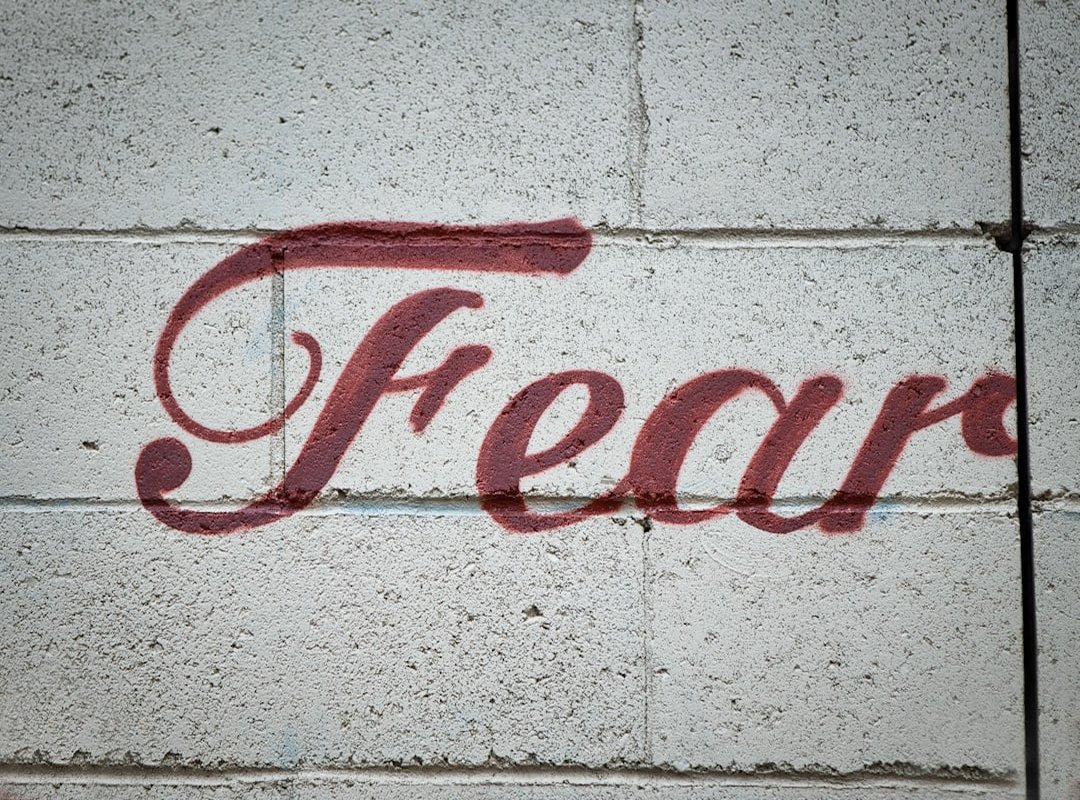
I used to think, “I’m not an artist.” It felt like a wall. But then I realized, drawing isn’t just for artists. It’s a tool—like a journal or a stress ball.
When I started, I compared it to journaling. You don’t need to be a great writer to benefit from writing down your thoughts. The same is true for drawing your feelings.
Use cheap copy paper instead of a fancy sketchbook. Set a timer for only five minutes. Put on some music to help you relax.
These small steps can make a big difference.
What do I do if I don’t know what to draw? Start with the most basic elements: lines, dots, circles, and squares. The brain benefits from the simple motor activity.
Stick figures, abstract shapes, and messy scribbles are just as valid and therapeutically effective as a realistic portrait.
Anxiety drawing lukisan depression can be a powerful way to express and process emotions. It’s not about creating a masterpiece; it’s about the act of creation itself.
Your First Mark Is a Step Toward a Calmer Mind
Drawing is a profoundly simple and effective method for managing the overwhelming feelings of anxiety drawing lukisan depression. The goal is not to create a perfect piece of art, but to engage in the process. Picking up a pen and making a mark is a powerful step in taking control of your mental state.
Try one of the exercises for just three minutes right now, with zero expectations. You don’t need permission to be creative, and you don’t need talent to heal. Just begin.
 Kelvino Emrichester writes the kind of expert advice content that people actually send to each other. Not because it's flashy or controversial, but because it's the sort of thing where you read it and immediately think of three people who need to see it. Kelvino has a talent for identifying the questions that a lot of people have but haven't quite figured out how to articulate yet — and then answering them properly.
They covers a lot of ground: Expert Advice, Digital Advertising Strategies, Content Marketing Tips, and plenty of adjacent territory that doesn't always get treated with the same seriousness. The consistency across all of it is a certain kind of respect for the reader. Kelvino doesn't assume people are stupid, and they doesn't assume they know everything either. They writes for someone who is genuinely trying to figure something out — because that's usually who's actually reading. That assumption shapes everything from how they structures an explanation to how much background they includes before getting to the point.
Beyond the practical stuff, there's something in Kelvino's writing that reflects a real investment in the subject — not performed enthusiasm, but the kind of sustained interest that produces insight over time. They has been paying attention to expert advice long enough that they notices things a more casual observer would miss. That depth shows up in the work in ways that are hard to fake.
Kelvino Emrichester writes the kind of expert advice content that people actually send to each other. Not because it's flashy or controversial, but because it's the sort of thing where you read it and immediately think of three people who need to see it. Kelvino has a talent for identifying the questions that a lot of people have but haven't quite figured out how to articulate yet — and then answering them properly.
They covers a lot of ground: Expert Advice, Digital Advertising Strategies, Content Marketing Tips, and plenty of adjacent territory that doesn't always get treated with the same seriousness. The consistency across all of it is a certain kind of respect for the reader. Kelvino doesn't assume people are stupid, and they doesn't assume they know everything either. They writes for someone who is genuinely trying to figure something out — because that's usually who's actually reading. That assumption shapes everything from how they structures an explanation to how much background they includes before getting to the point.
Beyond the practical stuff, there's something in Kelvino's writing that reflects a real investment in the subject — not performed enthusiasm, but the kind of sustained interest that produces insight over time. They has been paying attention to expert advice long enough that they notices things a more casual observer would miss. That depth shows up in the work in ways that are hard to fake.