
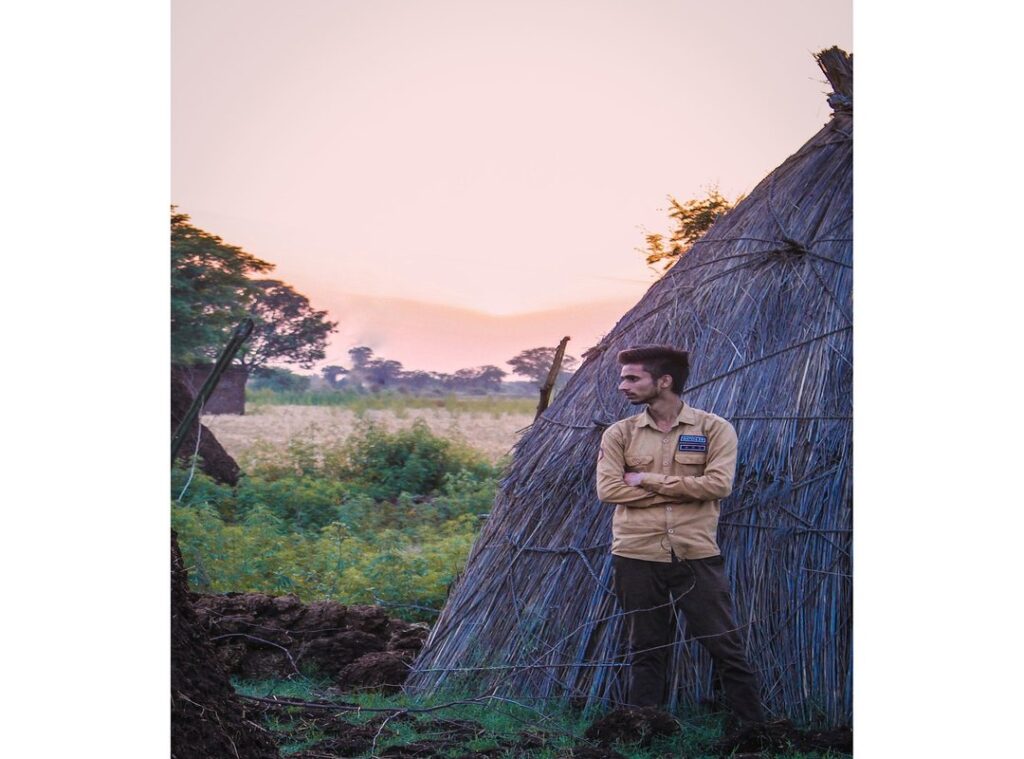
Punjab is a land of thousands of villages, each with its own story. Laltu village in Punjab stands out as a hidden gem. It’s not just another dot on the map.
This place has a rich history and a unique character.
This article aims to give you a comprehensive overview of Laltu village. We’ll cover its history, location, culture, and what life is like there today. Whether you’re planning a trip, doing research, or just curious about your roots, this guide will answer your key questions.
Let’s dive in.
The Historical Roots and Origins of Laltu
The name ‘Laltu’ has a rich history, rooted in local folklore and traditions. It’s said to be derived from an ancient term meaning “the red one,” possibly referring to the village’s red soil or the vibrant attire of its early inhabitants.
Laltu’s founding dates back to a time when the Mughal Empire was at its zenith. The village played a strategic role, serving as a small but significant agricultural hub. During the Sikh Confederacy, it continued to grow, becoming a vital part of the region’s social and economic fabric.
Prominent historical figures like the Jat clans and Sikh warriors have been historically linked to the village. Their influence helped shape Laltu, making it a more prosperous and culturally rich community.
The Partition of India in 1947 had a profound impact on laltu village in punjab. Many families were displaced, leading to a significant shift in the village’s demographics and social structure. The once-thriving community faced challenges but also showed remarkable resilience.
Old structures and historical sites within and around the village, such as ancient temples and remnants of Mughal-era buildings, stand as silent witnesses to its long and storied past. These sites not only attract visitors but also help preserve the village’s cultural heritage.
Pinpointing Laltu: Geography and How to Get There
Laltu village is located in the SAS Nagar (Mohali) district of Punjab, India. It falls under the Kharar tehsil.
The village is close to major cities like Chandigarh and Mohali. It’s about 15 kilometers from Chandigarh and around 10 kilometers from Mohali.
If you’re planning to visit, here are your primary transportation options:
- By Road: The nearest major highway is National Highway 7, which connects to Chandigarh and other parts of Punjab.
- By Rail: The closest railway station is SAS Nagar Mohali Railway Station, which is well-connected to major cities.
- By Air: The nearest airport is Chandigarh International Airport, about 20 kilometers away.
The local geography is primarily agricultural. You’ll see vast fields of wheat, rice, and other crops. The area is also dotted with small streams and canals, which are essential for irrigation.
The topography is generally flat, making it ideal for farming. The landscape is a mix of lush green fields and small, scattered villages.
Neighboring villages include Kharar, Landran, and Dera Bassi. These villages help you understand its relative position within the district.
Understanding the location and how to get there can make your trip to laltu village in punjab much smoother.
A Glimpse into Daily Life: Culture and Community
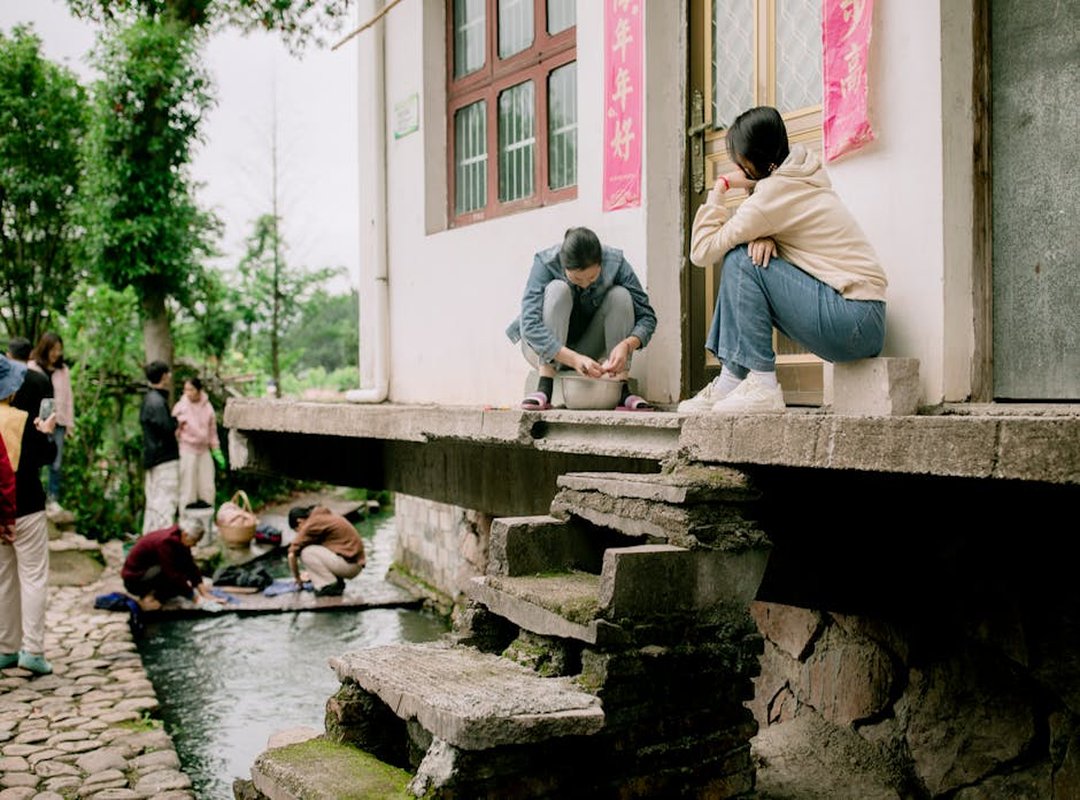
Agriculture is the backbone of life in Laltu village in Punjab. Most villagers are farmers, growing crops like wheat and rice. These staples not only feed the community but also drive the local economy. laltu village in punjab
The village is a mix of ethnic and religious communities. Predominantly, it’s home to Punjabi Sikhs, with a smaller number of Hindus and Muslims. This diversity adds a rich tapestry to the social fabric.
Punjabi is the main language here. You might hear a few local dialects or accents, but everyone understands each other just fine. It’s like a family where everyone speaks their own way, but still gets along.
Festivals are a big deal. Vaisakhi, Lohri, and Gurpurabs are celebrated with great enthusiasm. These events bring the whole village together, with music, dance, and feasting.
It’s a time when everyone forgets their worries and just enjoys the moment.
The local Gurdwara plays a central role. It’s not just a place of worship; it’s where people gather for social and community activities. Weddings, funerals, and even regular meetings happen here.
It’s the heart of the village, keeping everyone connected and supported.
Modern Laltu: Development, Landmarks, and Amenities
Laltu village in Punjab is a blend of the old and the new. It’s adapting to modern changes while preserving its traditional rural lifestyle.
-
Government Schools and Healthcare Clinics:
The village now has a well-equipped government school and a healthcare clinic. These facilities provide essential services to the community, ensuring that education and health are within reach. -
Community Centers and Local Markets:
There’s a bustling local market where villagers can buy fresh produce and other essentials. The community center hosts various events and gatherings, fostering a sense of unity and support. -
Infrastructure Improvements:
Recent infrastructure upgrades have significantly improved the quality of life. Roads are in better condition, and access to electricity is more reliable. Clean water supply is also a priority, with new filtration systems installed. -
Mobile and Internet Connectivity:
Mobile and internet connectivity have expanded, making it easier for residents to stay connected and access information. This has been a game-changer for both personal and business communications. -
Local Businesses and Small-Scale Industries:
Beyond agriculture, the village has seen the rise of small-scale industries and local businesses. For example, a local textile workshop employs several villagers and contributes to the local economy.
These developments show that Laltu village in Punjab is moving forward without losing its charm.
The Enduring Spirit of a Punjabi Village
Laltu village in punjab is a place where deep history, strategic location, and vibrant community life converge. It stands as a testament to the region’s rich past and ongoing development. The village embodies the resilience, hospitality, and strong community bonds that are hallmarks of broader Punjabi culture.
Understanding villages like Laltu is essential to appreciating the true heart and soul of Punjab. In the rich tapestry of India’s rural landscape, Laltu shines as a beacon of enduring spirit.
 Kelvino Emrichester writes the kind of expert advice content that people actually send to each other. Not because it's flashy or controversial, but because it's the sort of thing where you read it and immediately think of three people who need to see it. Kelvino has a talent for identifying the questions that a lot of people have but haven't quite figured out how to articulate yet — and then answering them properly.
They covers a lot of ground: Expert Advice, Digital Advertising Strategies, Content Marketing Tips, and plenty of adjacent territory that doesn't always get treated with the same seriousness. The consistency across all of it is a certain kind of respect for the reader. Kelvino doesn't assume people are stupid, and they doesn't assume they know everything either. They writes for someone who is genuinely trying to figure something out — because that's usually who's actually reading. That assumption shapes everything from how they structures an explanation to how much background they includes before getting to the point.
Beyond the practical stuff, there's something in Kelvino's writing that reflects a real investment in the subject — not performed enthusiasm, but the kind of sustained interest that produces insight over time. They has been paying attention to expert advice long enough that they notices things a more casual observer would miss. That depth shows up in the work in ways that are hard to fake.
Kelvino Emrichester writes the kind of expert advice content that people actually send to each other. Not because it's flashy or controversial, but because it's the sort of thing where you read it and immediately think of three people who need to see it. Kelvino has a talent for identifying the questions that a lot of people have but haven't quite figured out how to articulate yet — and then answering them properly.
They covers a lot of ground: Expert Advice, Digital Advertising Strategies, Content Marketing Tips, and plenty of adjacent territory that doesn't always get treated with the same seriousness. The consistency across all of it is a certain kind of respect for the reader. Kelvino doesn't assume people are stupid, and they doesn't assume they know everything either. They writes for someone who is genuinely trying to figure something out — because that's usually who's actually reading. That assumption shapes everything from how they structures an explanation to how much background they includes before getting to the point.
Beyond the practical stuff, there's something in Kelvino's writing that reflects a real investment in the subject — not performed enthusiasm, but the kind of sustained interest that produces insight over time. They has been paying attention to expert advice long enough that they notices things a more casual observer would miss. That depth shows up in the work in ways that are hard to fake.