

I used to panic before walking into a room full of people. My palms got sweaty. My throat closed up.
I’d rehearse small talk in my head (and) then forget it all the second someone said hi.
You’ve been there too. Or you’re there right now. Maybe you scroll past invites.
Or show up but stay near the snack table. Or leave early and tell yourself it’s fine.
It’s not fine.
And it doesn’t have to stay this way.
This isn’t about becoming someone else.
It’s about using what you already have (your) voice, your curiosity, your sense of humor (to) connect in real ways.
The tips here aren’t theory. They’re things I tried. Things friends tried.
Things actual humans used at parties, work events, even coffee with strangers.
No pep talks. No fake confidence drills. Just clear steps that work because they match how people actually behave.
Not how textbooks say they should.
Social Tips Excnsocial is built on that. Not perfection. Not charisma.
Just practice + small shifts.
You’ll learn how to walk into a room and feel less like an outsider. How to start a conversation without overthinking it. How to keep one going without faking interest.
And yes (you’ll) actually have fun.
Start Small. Breathe. Try One Thing.
I used to think I had to host parties or crack jokes in groups to be “social.” (Spoiler: I don’t.)
You don’t need to become someone else overnight. Real connection starts with tiny things (things) you can do today.
Like smiling at the person walking past you. Not a big grin. Just a flicker.
Eye contact for half a second. That’s it.
Try saying “Hey, how’s it going?” to your barista. Or “Nice weather” to your neighbor. No follow-up needed.
No pressure to keep it going.
You’re not auditioning. You’re just practicing being present.
Want low-stakes practice? Join something small and interest-based. A board game night.
A library book club. A Saturday trail walk. Not because you have to meet people (but) because you like the thing.
The next “hello” feels lighter.
Each time you show up, you rewire your brain. That nervous buzz? It shrinks.
This is how confidence stacks. Not in leaps, but in seconds.
I’ve seen it work for people who swore they’d never walk into a room full of strangers. (They did. Slowly.)
If you want more grounded, no-BS Social Tips Excnsocial, I wrote them down here.
What’s one tiny interaction you’ll try tomorrow? Not five. Just one.
How to Actually Talk to People
I walked into a party last month and said “Hey!” to three people.
All three nodded and looked at their phones.
That’s not how you start a conversation.
Ask something real. Like “What made you say yes to this event?”
Not “Do you like parties?” (obviously they do, they’re here).
Right now? Look around. The music is loud.
The host just spilled wine. Someone’s wearing wild socks. Say “How do you know the host?” or “Is that song stuck in your head too?”
I listen like I mean it. Not just waiting for my turn. When someone says they hate cilantro, I ask why.
Not “Oh yeah me too.”
Then I share one thing—one (about) myself. Not my entire life story. Just enough to keep it human.
Conversation isn’t tennis. You don’t have to hit back hard every time. Sometimes silence is fine.
Sometimes it’s time to say “It was great talking (I’ll) let you catch up with others.”
No drama. No guilt. Just respect.
You’ve done this before. You’ll do it again. Social Tips Excnsocial isn’t magic.
It’s showing up, asking, listening, and stepping back.
What’s the last thing someone said that actually made you lean in?
Listening Beats Talking Every Time
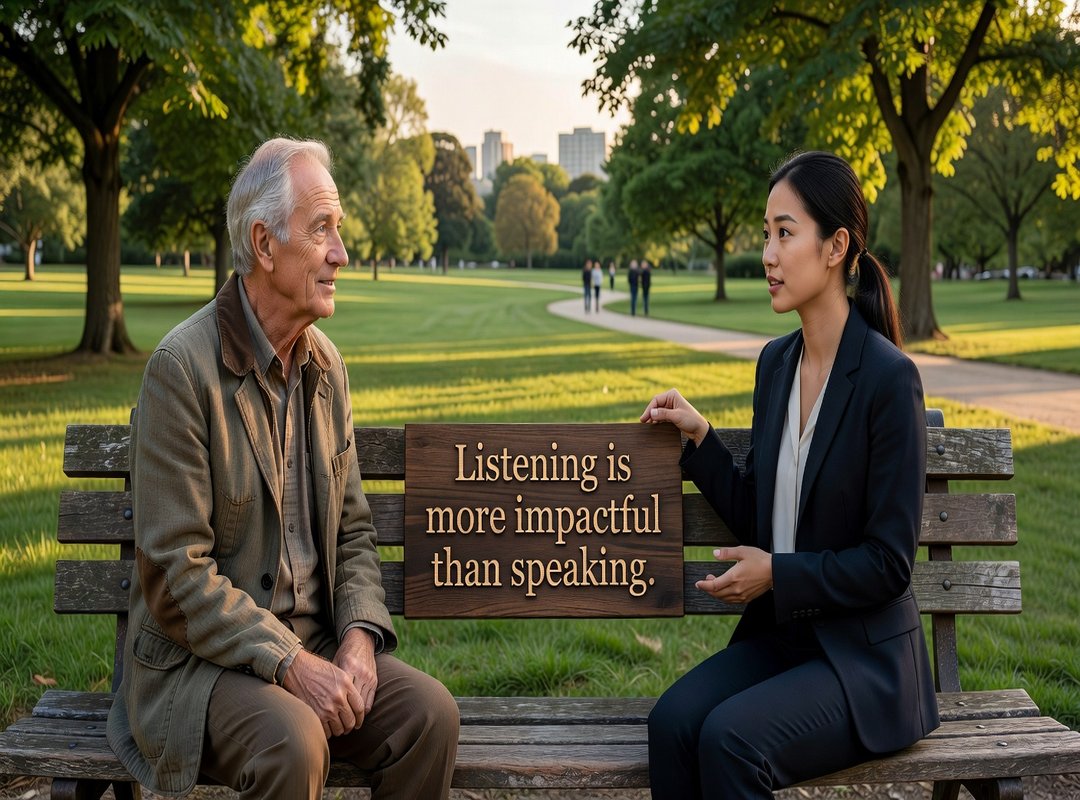
I used to think being social meant talking more.
Turns out, the people who stick in your mind are the ones who listened hardest.
When you listen. really listen. You’re not just waiting for your turn. You’re letting someone feel seen.
That builds trust faster than any joke or clever comment.
Nod. Hold eye contact. Ask “What happened next?” or “How did that make you feel?”
Don’t interrupt. Don’t rehearse your reply while they’re still speaking. That’s not listening (that’s) waiting.
You’ll learn things no small talk reveals. Shared values. Unexpected overlaps.
Real common ground.
It’s not about being quiet. It’s about giving space for connection to happen.
The best Social Tips Excnsocial start here. Not with what you say, but how you receive what others say.
If you want simple, real-world ways to practice this (no fluff, no theory), check out Excnsocial.
Most people talk to be heard.
I’d rather be the one people want to tell things to.
That changes everything.
Body Language Speaks First
I watch people talk all day. Most of the time, they’re not listening to the words. They’re watching your arms, your eyes, your mouth.
Crossed arms? You look closed off. Even if you’re smiling, your body says back off.
Uncross them. Turn your chest toward the person. That’s called open posture.
It costs nothing and changes everything.
Eye contact is weirdly hard. Too little feels shifty. Too much feels like a stare-down.
Hold it for two seconds. Look away. Come back.
(You do this already with friends. Just do it with strangers too.)
Smile with your eyes. Not the tight-lipped kind. Not the teeth-baring kind.
The one that crinkles the corners. It tells people you’re safe. Not perfect.
Just human.
Mirroring works (but) only if it’s soft. If they lean in, you lean in after a beat. If they gesture with their left hand, you might use yours later.
Don’t copy. Sync.
This isn’t about acting.
It’s about showing up without shouting.
Want more real-world moves like this?
Check out the Social Tips Excnsocial
Your First Real Connection Starts Today
I’ve been there. Awkward silences. That voice in my head saying just stay home.
You feel it too.
Becoming more social isn’t about becoming someone else. It’s about showing up—imperfectly (and) doing it again.
Some days you’ll nail it. Some days you’ll fumble. That’s fine.
You don’t need to fix everything at once.
Pick one tip from the article. Just one. Try it this week.
Say hello to the barista. Ask a coworker about their weekend. Text someone you haven’t talked to in a while.
You don’t need confidence first. You build it by doing.
Every “hi” counts. Every follow-up question adds weight to your voice. Every small win rewires your brain a little.
You’re not broken. You’re just out of practice.
Social Tips Excnsocial gives you real moves. Not theory, not pep talks.
You already know what holds you back. The dread. The overthinking.
The fear of being judged.
That stops when you choose one thing and do it.
Not next month. Not after you “feel ready.” This week.
Go talk to someone. Not to impress them. Not to be perfect.
Just to see what happens.
Then do it again.
The people you want to meet? They’re waiting for you to show up (even) if your hands shake.
So go. Connect. Laugh.
Mess up. Try again.
Your richer social life doesn’t start someday. It starts with your next text. Your next “hey.”
Your next breath before you speak.
Do it now.
 Nicole Kennedyelar has opinions about expert advice. Informed ones, backed by real experience — but opinions nonetheless, and they doesn't try to disguise them as neutral observation. They thinks a lot of what gets written about Expert Advice, Digital Advertising Strategies, Marketing Trends and Insights is either too cautious to be useful or too confident to be credible, and they's work tends to sit deliberately in the space between those two failure modes.
Reading Nicole's pieces, you get the sense of someone who has thought about this stuff seriously and arrived at actual conclusions — not just collected a range of perspectives and declined to pick one. That can be uncomfortable when they lands on something you disagree with. It's also why the writing is worth engaging with. Nicole isn't interested in telling people what they want to hear. They is interested in telling them what they actually thinks, with enough reasoning behind it that you can push back if you want to. That kind of intellectual honesty is rarer than it should be.
What Nicole is best at is the moment when a familiar topic reveals something unexpected — when the conventional wisdom turns out to be slightly off, or when a small shift in framing changes everything. They finds those moments consistently, which is why they's work tends to generate real discussion rather than just passive agreement.
Nicole Kennedyelar has opinions about expert advice. Informed ones, backed by real experience — but opinions nonetheless, and they doesn't try to disguise them as neutral observation. They thinks a lot of what gets written about Expert Advice, Digital Advertising Strategies, Marketing Trends and Insights is either too cautious to be useful or too confident to be credible, and they's work tends to sit deliberately in the space between those two failure modes.
Reading Nicole's pieces, you get the sense of someone who has thought about this stuff seriously and arrived at actual conclusions — not just collected a range of perspectives and declined to pick one. That can be uncomfortable when they lands on something you disagree with. It's also why the writing is worth engaging with. Nicole isn't interested in telling people what they want to hear. They is interested in telling them what they actually thinks, with enough reasoning behind it that you can push back if you want to. That kind of intellectual honesty is rarer than it should be.
What Nicole is best at is the moment when a familiar topic reveals something unexpected — when the conventional wisdom turns out to be slightly off, or when a small shift in framing changes everything. They finds those moments consistently, which is why they's work tends to generate real discussion rather than just passive agreement.