
I’ve spent years watching collectors chase rare stamps in all the wrong places.
You’re probably frustrated because the best pieces never show up on the usual sites. You search eBay and specialty forums but keep finding the same mid-tier items everyone else has already seen.
Here’s the reality: exclusive philatelic treasures don’t get listed where casual collectors shop. They move through different channels.
I’ve tracked how elite collectors actually acquire their most valuable pieces. Not the stories they tell at shows. The real methods they use.
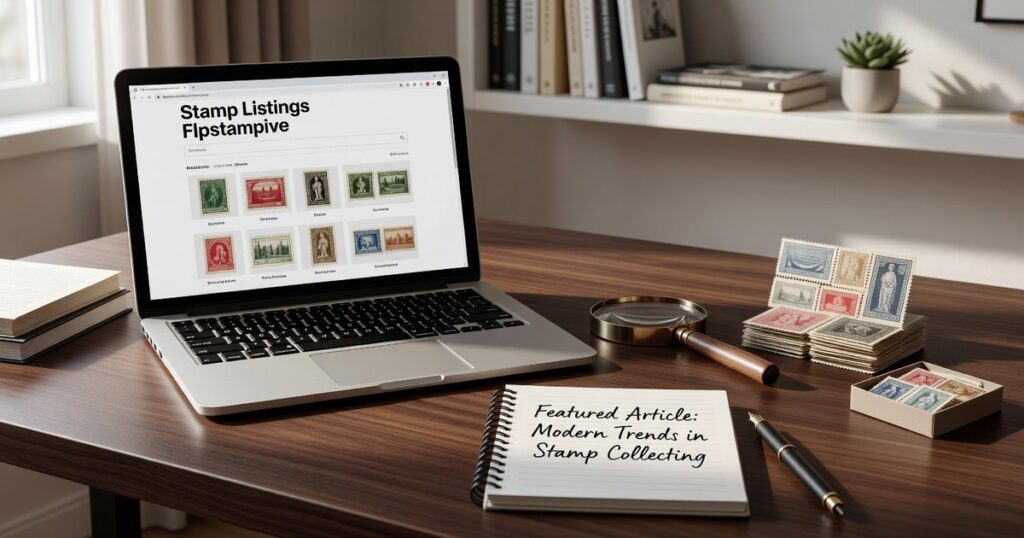
This guide shows you where serious collectors find premier listings on stamp listings flpstampive and other platforms most people don’t know about. I’ll walk you through the networks and evaluation techniques that separate amateur hunting from professional acquisition.
We’ve analyzed the high-end philatelic market for years. We know which platforms move rare items and which ones waste your time. That’s how I can show you what actually works, not what sounds good in theory.
You’ll learn where exclusive collections surface before they hit public markets. And you’ll understand how to evaluate what you find so you don’t overpay for hype.
No fluff about the romance of collecting. Just the strategic approach you need to source real treasures.
Defining ‘Exclusive’: What Separates a Great Collection from a Legendary One?
You can own rare stamps and still have a mediocre collection.
I know that sounds harsh. But it’s true.
Rarity matters. Condition matters. But they’re just the starting point.
What really separates a great collection from a legendary one? It comes down to four things that most collectors overlook.
Provenance is everything.
When the British Guiana 1c Magenta sold for $9.5 million in 2014, buyers weren’t just paying for the stamp. They were paying for its documented journey through the hands of collectors like Philipp von Ferrary and Arthur Hind (names that carry weight in philatelic circles).
That’s provenance. The paper trail that proves where something came from and who owned it.
Without it, you’re just asking people to trust you. With it, you have proof.
Then there’s thematic cohesion.
Some collectors think bigger is better. They grab whatever looks good and call it a collection.
But the collections that command respect? They tell a story. A complete run of Zeppelin mail from 1928 to 1937. Every known variety of the Penny Black plating positions. A focused study that shows intention.
The stamp library flpstampive shows this principle in action. Collections with clear themes consistently outperform random accumulations at auction.
Certification isn’t optional anymore.
The Philatelic Foundation and PSE don’t just authenticate stamps. They provide the documentation that serious buyers require before they’ll even consider a purchase.
I’ve seen collectors lose sales because they skipped this step. A $10,000 stamp without a certificate might sell for $3,000. Or not at all.
Named collections carry their own gravity.
When you see “ex-Caspary” or “ex-Ishikawa” attached to stamp listings flpstampive, you’re looking at pieces that belonged to legendary collectors. That association alone adds value.
The 2019 sale of the Gross collection proved this. Items sold for 20 to 30 percent above estimate simply because Robert Gross’s name was attached.
That’s not hype. That’s documented market behavior.
Where to Find Premier Listings: The Elite Collector’s Playbook
Most collectors waste years searching in the wrong places.
They scroll through general auction sites hoping to stumble onto something rare. Or they follow the same dealers everyone else watches, competing for the same pieces.
Here’s what nobody tells you.
The best stamps rarely make it to public listings. They move through channels most people don’t even know exist.
Some collectors say you should just stick with big auction houses and wait for the right piece to show up. They argue that patience is all you need. And sure, patience matters.
But here’s the problem with that approach.
By the time a world-class stamp hits a major public auction, dozens of serious collectors already know about it. You’re bidding against people who saw it weeks earlier during private viewings.
I’ve been tracking where premium philatelic material actually changes hands. The patterns are pretty clear once you know what to look for.
Let me show you the four channels that matter.
Specialized Philatelic Auction Houses
The top firms handle collections differently than general auction houses.
Start by getting on catalog mailing lists for houses like Robert A. Siegel, Spink, or David Feldman. These aren’t your typical estate sale operations. They curate what they sell.
Here’s what works: Request pre-auction viewing appointments at least two weeks out. Most serious buyers examine lots in person before bidding. You’ll spot condition issues that don’t show up in photos (and sometimes you’ll find undervalued pieces the cataloger missed).
Pro tip: Watch the prices realized lists after each auction. You’ll start to see which types of material are heating up before the broader market catches on.
Private Treaty Sales via Specialist Dealers
This is where high-value transactions happen quietly.
A private treaty sale means the dealer acts as intermediary between seller and buyer. No public auction. No competitive bidding. Just direct negotiation.
Why does this matter? Collections worth six figures often sell this way. The seller wants discretion. The buyer wants first look before anyone else knows the material is available.
I worked with a dealer in Philadelphia last year who showed me a pre-1900 cover collection before it went to auction. The owner wanted a quick sale. We negotiated a price 20% below what it would have brought at public sale (because he avoided auction fees and waiting periods).
The key: Build relationships with dealers who specialize in your collecting area. Let them know what you’re looking for. When something matches, you get the call.
Curated Online Marketplaces
Not all online platforms are created equal.
Sites like eBay work fine for common material. But for premium stamps, you want platforms with verification processes.
| Platform Type | Best For | What to Watch |
|————–|———-|—————|
| Mass Market (eBay) | Research and common material | Seller feedback, return policies |
| Vetted Specialist Sites | Certified premium material | Authentication guarantees, dealer credentials |
| Auction House Portals | Absentee bidding on cataloged lots | Condition reports, lot viewing options |
Flpstampive tracks these stamp listings flpstampive to help collectors identify where quality material surfaces most consistently.
Look for platforms that require dealer credentials or expert certification. These gatekeepers filter out problem sellers before you ever see a listing.
Collector Societies and Inner Circles
This is the channel most people underestimate.
Prestigious philatelic societies aren’t just about meetings and newsletters. They’re information networks.
When a major collection comes up for sale, society members often hear about it months before public announcement. Sometimes the executor of an estate will reach out to society leadership first, looking for qualified buyers.
How to tap in: Join societies focused on your specific collecting interest. Attend meetings. Contribute to publications. The goal isn’t just membership. It’s becoming known as a serious collector in that space.
I’ve seen entire collections change hands through society connections without ever hitting the open market. The seller trusts the network. The buyer gets first refusal. Everyone avoids the circus of public auction.
Real example: A collector in my local society passed away in 2022. His family contacted the society president before calling any dealers. Three members were given first opportunity to purchase specific parts of the collection based on their known interests. By the time the remainder went to auction, the best material was already gone.
The pattern is simple.
Premium material flows through relationship channels first. Public listings second. If you’re only watching public sources, you’re already behind.
Start building access to these four channels now. Pick one and go deep before adding another.
That’s how you find what other collectors never see.
Essential Accessories: Tools for Preservation and Presentation
You can’t protect what you can’t properly store.
I learned this the hard way back in 2017 when I watched a collector open his album to find three rare stamps with visible foxing. He’d kept them in regular paper sleeves for years. The acid had done its damage.
Some collectors say you don’t need fancy storage. They argue that basic albums worked fine for their grandfather and they’ll work fine now.
Here’s where they’re wrong.
Your grandfather wasn’t dealing with stamps worth thousands of dollars. And he wasn’t competing in a market where condition is everything.
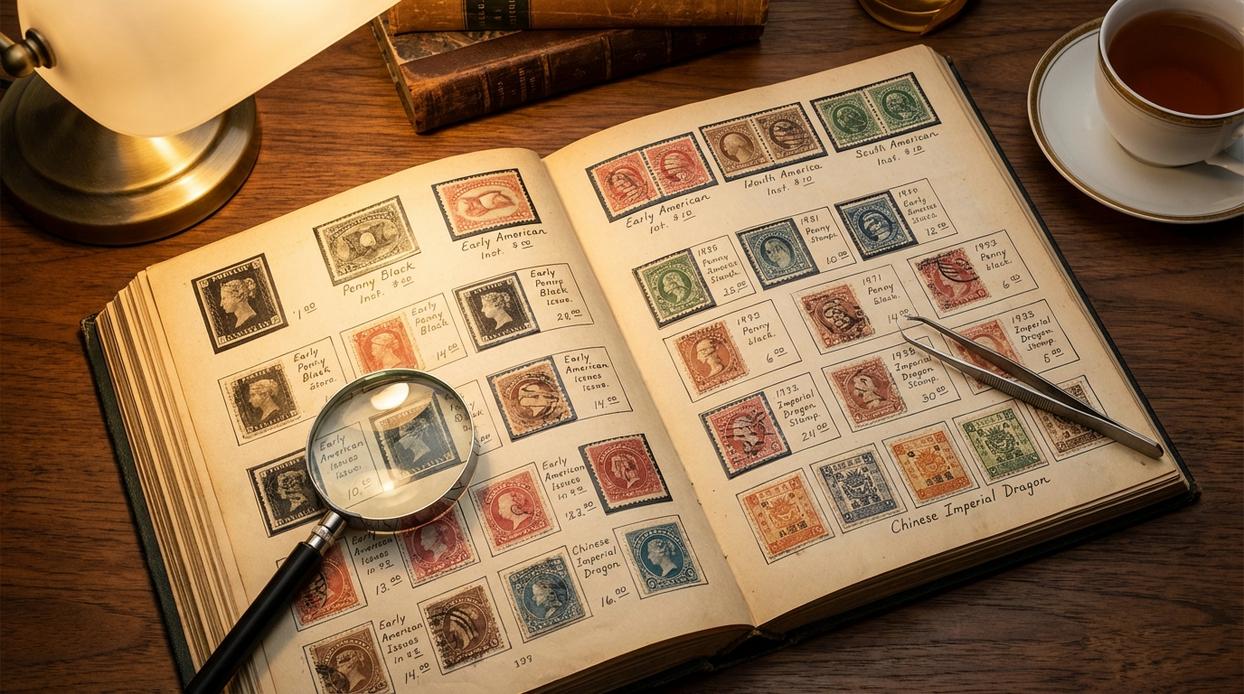
The truth is simple. If you’re building a serious collection, you need archival-grade materials. Acid-free pages. Custom albums designed for specific stamp listings flpstampive. Not the stuff you grab at a hobby shop.
But storage is just the start.
I spent six months testing different examination tools before I found what actually works. A quality digital microscope (I’m talking 200x magnification minimum) lets you spot repairs that look perfect to the naked eye. UV light sources reveal alterations and regumming that would otherwise slip past you.
You need precision too. Micrometers that measure to 0.01mm because perforation gauges matter when you’re authenticating rare issues.
Then there’s the paperwork side. After managing a few hundred stamps, you’ll realize spreadsheets don’t cut it anymore. Collection management software tracks provenance, insurance values, and certification scans in one place.
And yes, you need proper security. Climate-controlled safes or bank deposit boxes aren’t optional when you’re holding five-figure investments.
Protection isn’t glamorous. But it’s what separates collectors from investors.
How to Critically Evaluate a High-Value Listing
You’re staring at a listing that could be the find of the year.
Or it could be an expensive mistake.
The description says “minor faults” and shows what looks like a pristine stamp. But something feels off.
I’ve seen this play out too many times. Someone drops serious money on a piece that looked perfect in the photos, only to discover issues the seller conveniently glossed over.
Here’s what most collectors don’t realize. Auction descriptions follow their own language. When you see “minor faults,” that could mean anything from a tiny crease to significant damage. “Unverified postmark” often means the seller has doubts but won’t say it outright.
You need to read what they’re not saying.
Start with the visuals. High-resolution scans tell you everything if you know where to look. I always zoom in on the gum (if it’s mint) and check for color inconsistencies that suggest regumming. Look at the perforations under magnification. Fresh cuts or uneven edges? That’s a red flag.
Some people say you should just trust established auction houses and not worry about the details. They argue that reputation alone protects you.
But I’ve watched reputable houses miss things. Not out of malice, just human error.
Before you bid, check the seller’s history. Look at their return policy. Are they members of professional stamp organizations? What do other collectors say about them? A solid dealer stands behind their descriptions and offers reasonable return windows.
When reviewing stamp listings flpstampive or any marketplace, treat every high-value piece like it needs proving. The burden isn’t on you to trust. It’s on the listing to earn that trust.
Your due diligence now saves you from regret later. And if you’re building your brand presence alongside your collection, resources like free logo directories flpstampive can help establish your credibility in the community.
Building Your Legacy Collection with Confidence
You came here to find stamp listings flpstampive that actually matter.
Not the common stuff everyone else is chasing. The collections that define a legacy.
I’m going to show you how to find and evaluate the listings that most collectors never see. The ones that separate amateur buyers from serious philatelists.
The problem isn’t that great stamps don’t exist. It’s that you’re looking in the wrong places.
Common search engines won’t cut it. You need access to the hidden market where elite collections change hands.
This guide gives you the framework to evaluate every listing with a critical eye. You’ll know what to look for and what to avoid.
More importantly, you’ll understand why certain pieces command premium prices while others sit unsold.
Here’s what changes when you apply this approach: You stop being a passive buyer. You become someone who recognizes true value before the market catches up.
Start with the specialized auction houses I’ve covered in this guide. Apply your new evaluation criteria to every listing you review.
Look at the provenance. Check the condition reports. Compare prices across multiple sources.
Your Next Move
You now have the complete framework for building a world-class collection.
Begin your search today. Pick one auction house from this guide and study their current catalog. Apply what you’ve learned to at least three listings.
That’s how you start building something that lasts. Homepage.