
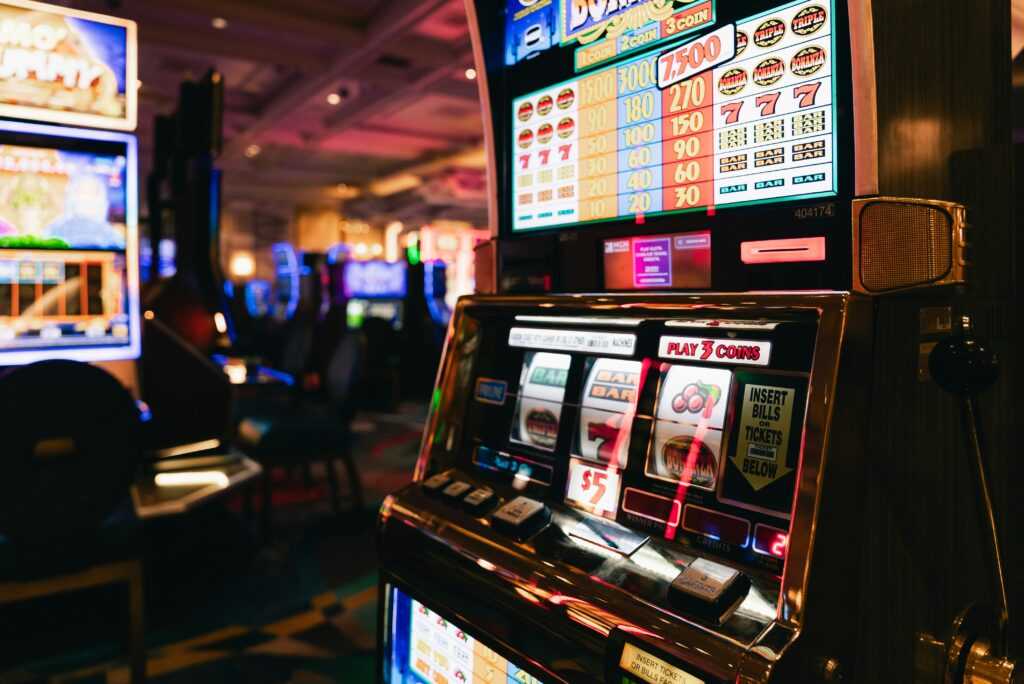
Slot machines have seen some pretty amazing changes since they first appeared in American bars back in the 19th century. They started off as mechanical devices with spinning reels, and now have reached a stage where they are games that feature animations, elaborate themes, and touchscreen controls. Despite these developments, many games still use the same symbols and layouts found on some of the earliest machines.
The history of slots is also a history of changing technology. Mechanical inventions gave way to electrical systems, video screens, home computers, and eventually smartphones.
Before the Liberty Bell
The Liberty Bell is always cited as the first slot, but the groundwork for this came in the 1890s. Manufacturers Sittman and Pitt produced a gambling machine that came with five drums playing that displayed playing cards. Customers needed to put in coins and then hoped that a winning hand would be displayed. Prizes were given by the establishment rather than being dispensed by the machine.
The poker format created a mechanical challenge. There were numerous possible winning hands, making it difficult to build a straightforward automatic payout system. A simpler arrangement of reels and symbols would help overcome that problem.
Charles Fey’s Three-Reel Invention
Charles August Fey is widely credited with developing influential slot machines in San Francisco during the 1890s. His best-known product was the Liberty Bell. This used three reels, with symbols including horseshoes, playing card suits, and bells.
Players inserted a coin and pulled a lever to set the reels spinning. The machine could dispense coins automatically when specified combinations appeared, removing the need for an attendant to award prizes. Three bells formed the highest-paying combination and gave the machine its name.
Accounts differ over the precise date of the Liberty Bell’s development, although it is generally associated with the late 1890s. Its lasting contribution was a practical format that other manufacturers could adapt. Three reels, recognizable symbols and automatic payouts became established features of slot machines.
Where Did Fruit Symbols Come From?
During the early 20th century, there were gambling restrictions that meant some manufacturers designed machines that gave merchandise as prizes, rather than cash. Some models were associated with chewing gum, and fruit symbols became familiar features of their reels. The likes of cherries, lemons, and other images stayed popular long after those products vanished.
The Mills Novelty Company helped spread three-reel machines through designs such as the Operator Bell. Manufacturers experimented with different cabinets, symbols, and payout arrangements as the market grew. The BAR symbol also became closely associated with traditional reel machines.
In Britain, the term fruit machine became common. British machines developed features such as holds and nudges, allowing players to interact with the reels between spins. Those additions helped distinguish them from simpler American machines.
Electricity Changes the Design
Those early slots were powered by springs, gears, and other mechanical components. You needed to pull the lever to start the process while the internal mechanisms dealt with the reels and payouts. Maintaining those machines involved care for numerous moving parts to ensure that they worked correctly.
Bally introduced Money Honey in the early 1960s, marking an important step towards electromechanical slots. Electrical components supported functions, including an automatic coin hopper capable of larger payouts. The machine retained a lever, but its internal operation differed substantially from older designs.
Electromechanical technology allowed manufacturers to develop additional features and increasingly complex machines. Buttons gradually became an alternative to pulling a handle. The traditional lever survived on some cabinets, even as its practical importance declined.
Video Slots Arrive
Back in 1976, Fortune Coin developed a slot machine that displayed its reels on a modified TV screen. It was first tested in Las Vegas, with players first encountering a machine that didn’t have the usual physical reels.
Video displays gave designers far greater freedom. Instead of building new mechanical arrangements for every concept, developers could create different symbols, paylines and bonus features on screen. Animated sequences and more elaborate themes, along with storytelling, became practical options.
Computerized systems also changed how machines operated behind the display. Electronic controls increasingly replaced mechanical processes, while software determined and presented game results. The appearance of spinning reels remained familiar, even when no physical reels were involved.
The Move to Internet Casinos
Online casinos began to appear in the 1990s, with slots appearing on home computers. Early games were designed to resemble traditional casino machines. They had simple graphics, and the features were limited. With slow internet connections and less powerful computers, developers were constrained when it came to what they could produce.
As technology improved, online slots became more elaborate. Five-reel layouts, themed artwork, free-spin rounds, and interactive features became increasingly common. Developers could distribute new games digitally without manufacturing cabinets or installing machines in casinos.
Online slots also broadened the range of themes available. Games drew inspiration from mythology, historical settings, fantasy stories, and popular entertainment. Different visual styles could be built around familiar reel-based mechanics.
Slots Reach the Smartphone
Early mobile casino games struggled with the issues that came with smaller displays and slow connections. The improvement in smartphones allowed developers to move more quickly and develop games that worked with touchscreens.
Today, many slot games online adjust their layouts to fit different screen sizes. Some use portrait displays, while others retain horizontal arrangements suited to wider reel grids. Faster mobile connections have also made detailed animations and sound easier to deliver.
Mobile development has influenced the design process itself. Developers increasingly plan for smaller screens from the beginning rather than adapting a desktop game afterward. Controls, text and bonus features all need to remain clear on a handheld display.
A Familiar Idea in a New Format
Modern slots can feature expanding grids, cascading symbols and intricate bonus rounds. Their presentation is far removed from the metal reels and wooden cabinets of the nineteenth century. Even so, fruit symbols and three-reel layouts continue to appear alongside newer designs.